
December may seem like a peculiar time to start writing a monthly gardening/horticulture column, but any seasoned gardener knows that the gardening season actually begins in late winter, or it never stops. Plus, winter time for some of us is our best opportunity to catch up on some much needed reading. My hope is that this monthly column will pique the interest of non-plant people and provide relevant information even for the seasoned plant veteran that will enable them to have a more productive and enjoyable growing season. So here we go!
Let me briefly introduce myself. I grew up on a farm in western Nebraska, and received my Master’s Degree in Agriculture Science from the University of Wyoming, where I met my beautiful wife, Andrea. We eventually found our way north about 16 years ago and haven’t looked back.
I have worked in horticulture and agriculture research and education for eight years and the landscape industry for the last five. I have been a certified International Society of Arboriculture (ISA) arborist since 2011 and a Certified Crop Advisor since 2015. Andrea and I operate a u-pick farm, Finn Creek Farm, outside of Boulder where we specialize in cold hardy small fruit and tree fruit along with all the common annual vegetables.
I look forward to readers helping guide the content and direction of this column, so please submit questions or ideas for topics to me directly via email, bsarchet@gmail.com, or through The Monitor’s Facebook page. And thank you to those who have provided feedback thus far.
Here is our first question: “What should be the first plants I try to grow in my personal garden? In-ground gardening or raised beds, which is better?”
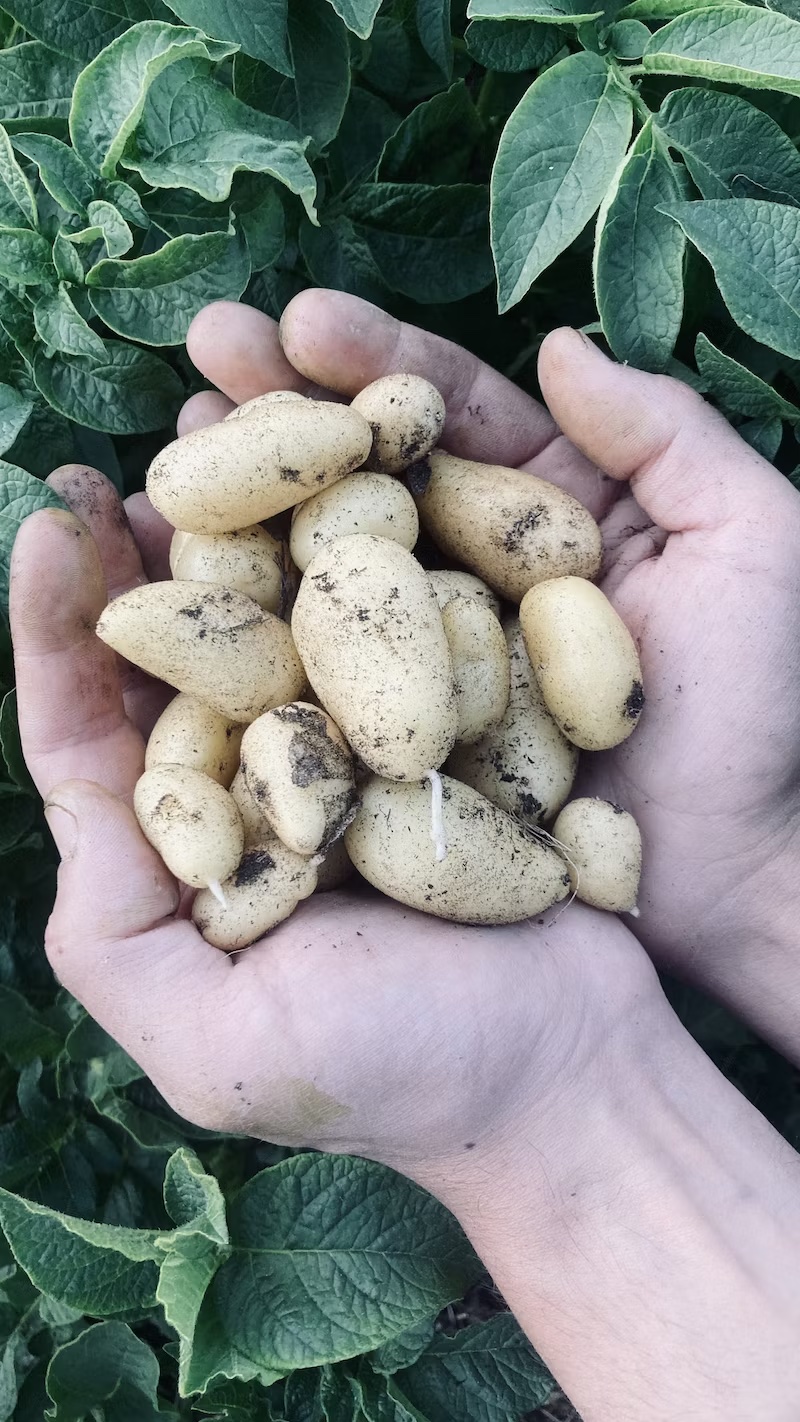
For new gardeners, I suggest for your first couple years to experiment and try lots of different vegetables. You will soon figure out what you like growing and what does best in your garden. Try the bullet proof cold-hardy stuff like spinach, cilantro, radish, broccoli and kale. Test staples such as summer squash, carrots, potatoes and onions. Plant a few warm season crops, tomatoes and peppers, that sometimes never make it to ripeness without some season extension intervention (a topic for another time).
Finally, plant vegetables that just look cool even if you don’t like to eat them or are not sure what to do with them — fennel, Brussels sprouts, or tomatillos, for example. Most importantly, be patient and give yourself some grace. Growing in Montana has its challenges, and every location is a little different.
Deciding whether you will garden in raised beds or in existing soil has many considerations. If you have the space and resources, I suggest doing both. If you don’t have the space, start with one raised bed. Growing in a raised bed gives you the ability to customize the soil, and it’s easier on your back and knees. It’s also easier to keep garden intruders out, and there’s less soil compaction from foot traffic. The soil warms up more quickly in the spring so you can start the gardening season sooner, and raised beds can easily be added upon to incorporate season extension techniques.
Raised beds don’t need to be complicated structures. Locally milled Douglas Fir in 2”x8”, 2”x10” or 2”x12” boards all work great, depending on how tall you want your beds to be. The Douglas Fir will easily last 10 to 15 years untreated. Avoid using treated lumber and railroad ties; they can leach chemicals into your beds.
I prefer to use my raised beds for warm season crops and for crops that require frequent harvesting. I tend to plant my corn, winter and summer squash, potatoes, garlic and onions in the existing soil because of the space requirements, and some crops like summer squash can perform well even in less-than-ideal soils.
Regardless of whether you are new to gardening or a seasoned veteran, winter is a great time to plan for the upcoming season. Raised beds can be built now and filled with soil in the spring. Research what varieties you want to plant this year and how much space you want to allocate to certain crops.
A final thought from the father of modern taxonomy, Carl Linnaeus: “If a tree dies, plant another in its place.” Gardening doesn’t need to be complicated — and especially in Montana, you have to replant a couple of times before you find one that sticks.
Contact Brent Sarchet at bsarchet@gmail.com