What is prevention? This is a great question to address in the second in our series of columns. Each of us engages in various ways with prevention in our daily lives. Parents with toddlers, for example, take measures in their homes to make sure their little ones are safe around electrical outlets or sharp corners, among other potential hazards.
I like this example someone shared recently: When a sapling is planted, the tender plant is tethered to stakes to support it. That gets to the heart of the science of prevention. Over the past 50 years, many different strands of research and practice have contributed to what is now called prevention science. It has evolved from the early days of, “Just say no” to actual fact-based approaches that have demonstrated positive results.
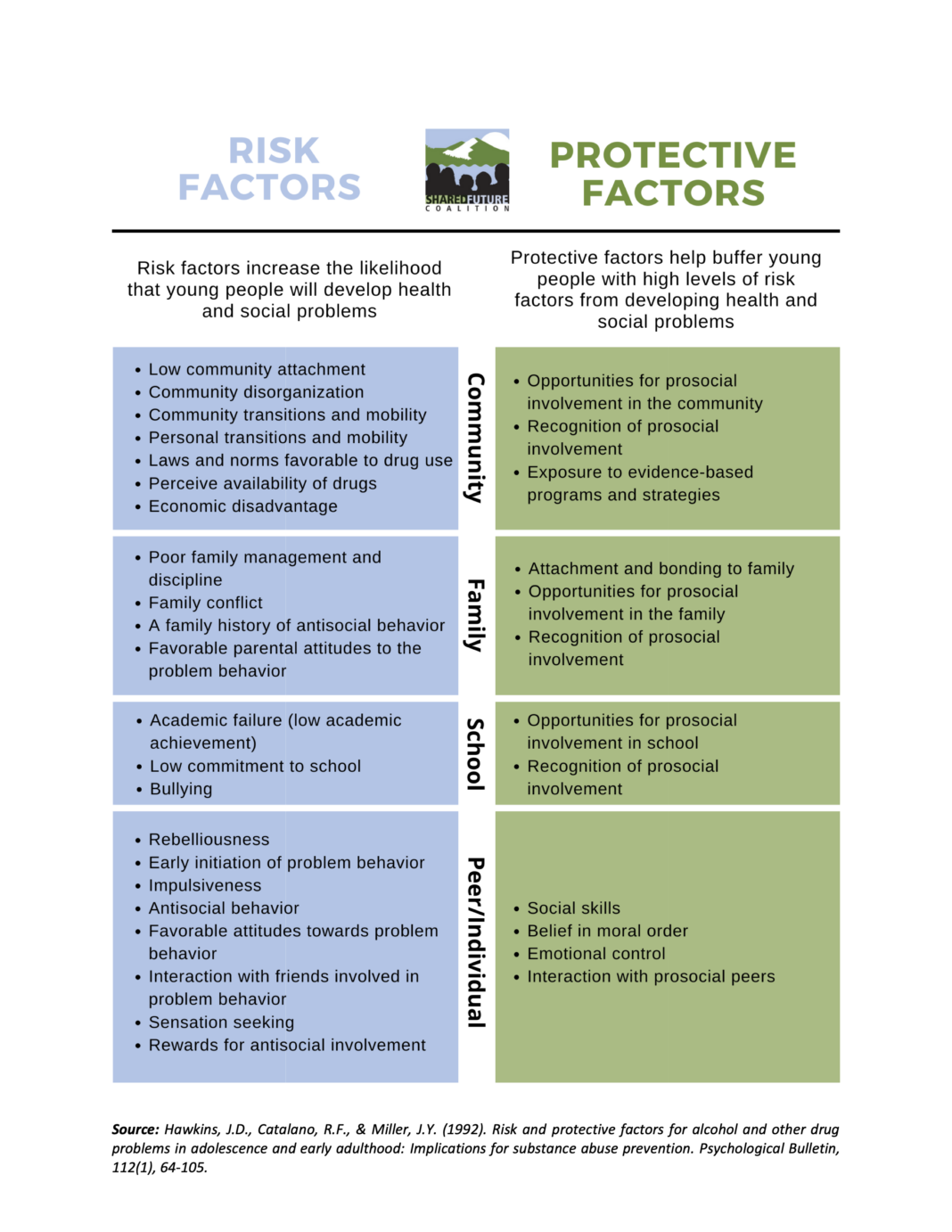
We’re focused here on primary prevention — like the tethering of saplings. In Montana, every county has a prevention specialist who has been trained and educated to implement programs, policies and procedures that decrease risk factors and increase protective factors across the individual, family and school levels.