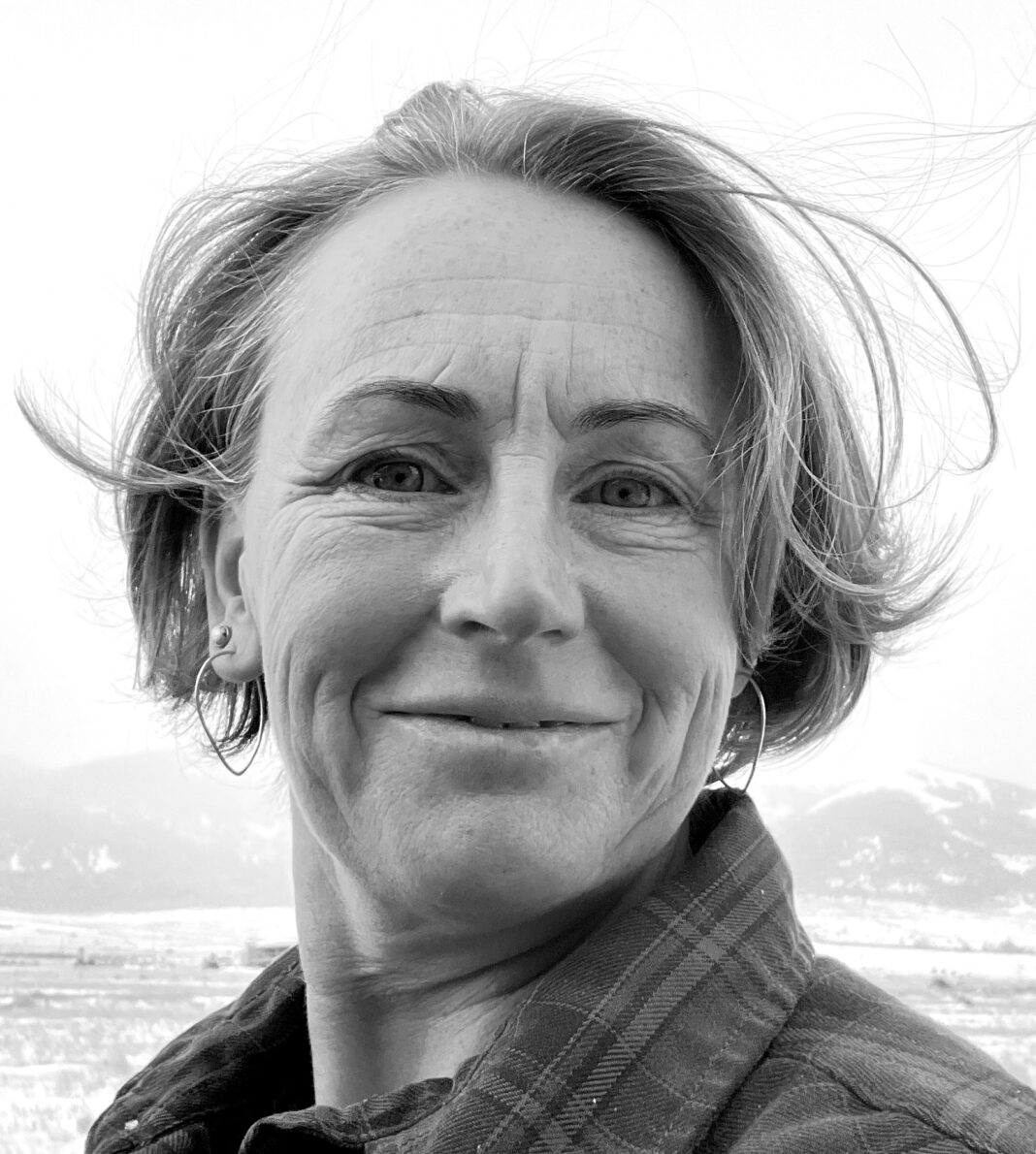
Unearthing ‘invisible’ western narratives

‘The snippets I have so far show that these working-class women have boring jobs, but they tell great jokes, and they throw great parties. And they’re great neighbors; they take care of the people around them... That’s what connects us.’ — Jennifer Hill.

RELATED

Much of Montana’s known history is focused on the narratives of men — of male, and usually wealthy, pioneers, ranchers, miners, explorers and entrepreneurs. Their stories are the ones we know best because they were the most and best documented.

Jennifer Hill, a Montana State University historian who lives in the Boulder Valley, is consumed with less visible narratives — “people who lived vibrant, full lives…and then disappeared,” as she has said. A descendent of homesteaders in eastern Montana, she works to understand the stories of people who didn’t keep journals and who weren’t reported by contemporaneous newspapers — but whose experiences shape society and culture.

Hill’s 2022 book, “Birthing the West: Mothers and Midwives in the Rockies and Plains” (Bison Books), chronicled the experience of childbirth amid the development of the American West, examining the shift over time from midwifery to physicians and hospitals.

📧 Continue Reading

You've read 2 free articles. Enter your email to unlock 2 more articles and get our newsletter.

For unlimited access and premium features, explore our subscription plans.

— OR —

Subscribe Now

Already a subscriber? Login here

- Advertisement -spot_img

LATEST NEWS