
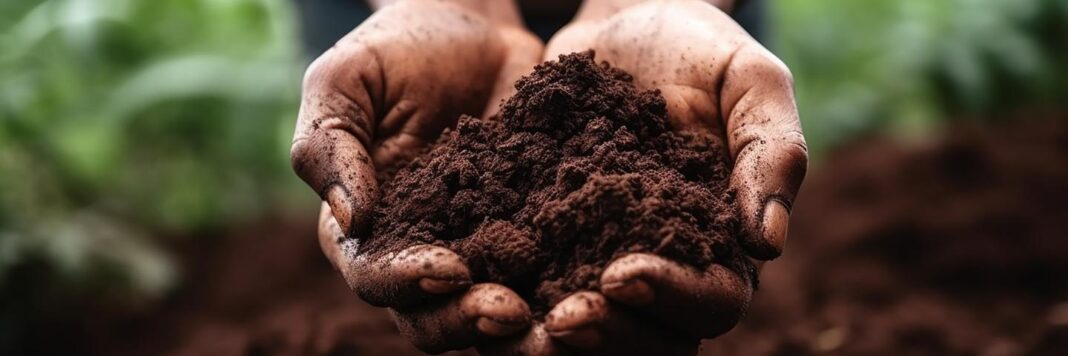
For some of us, this time of year may bring plans for a new garden or landscaping project. That sometimes involves some form of weed control and a degree of soil preparation and amending.
I often start with the Internet for ideas or suggestions; it’s full of information on these topics, and just an image search can help formalize my plan. But what you find there can range from “this makes sense and may work” to “this is absolutely a bad idea, particularly in Montana.” How do you make sense of it?
A few suggestions: First, make sure the information is research-based. Be careful that the site isn’t trying to sell you something. And keep in mind that something that may do great in Florida may not work at all in Montana. Find out where the publication or information source is based, and try to use sources close to home.
Here are a couple common weed and soil preparation scenarios that I have helped clients with in the past.
Scenario 1: I want to replace some of my backyard turf with a garden. How do I get rid of the grass?
Consider these options, keeping in mind that some of them may take a full growing season be-fore you can start to use the space for gardening.
• Use a sod cutter, which can be rented at most rental companies, to remove as much of the sod in the area as you can. Cut as deep as you can to remove as much of the roots as possible.
• Use soil solarization to kill the grass. This involves watering the area and putting down a clear plastic sheet over the area; you will want to use a greenhouse-quality film that won’t break down quickly in the sunlight. Secure all the borders of the plastic and ideally leave the plastic on for an entire growing season. This method will basically “cook” the grass.
• Install a 12” thick layer of wood mulch over the area and leave it in place for at least a couple months in the spring and early summer. The mulch then can be raked to the side for use later, or you can make rows in the mulch where you will do the planting, leaving the rest of the mulch in place.
What not to do: First, do not use cardboard. It has many of the “forever” chemicals we have been hearing about recently. It also creates anaerobic conditions, prevents nutrient cycling, and inhibits soil microbial activity and movement. And second, if you are going to use herbicides, be very cautious and read the label carefully: Some products have active ingredients that will last in the soil for a long time and may inhibit plant growth.
Scenario 2: My soil is terrible; nothing grows there.
Soil types and the level of nutrients differ greatly across Montana; there is a good deal of variability even within Jefferson County. It is difficult to make precise soil improvement recommendations without a soil test. For more information on collecting and submitting a soil sam-ple for analysis, check out this website: https://landresources.montana.edu/soilfertility/soilscoop/ss_soilsampling.html.
In the absence of a soil test report, here are some common themes, based on my review of hundreds of soil sample reports in the area:
• All garden soil can benefit from the addition of organic matter, compost being the most commonly used. The ideal percentage of organic matter for a garden ranges from 5 to 8%.
• Garden plants typically need lots of nitrogen — but most soils are nitrogen-deficient. Nitrogen is the most limiting soil nutrient. Some of that has to do with the fact that it is mobile and can be lost via leaching and volatilization. You can replenish nitrogen via synthetic fertilizers, blood meal, alfalfa meal, livestock manures and dried manure fertilizer products. Keep in mind that compost is also a source of nitrogen that will become available to plants slowly over time as the compost breaks down.
If you are like me, your winter gardening time is spent planning. I think about garden or orchard expansion, strategies to improve an existing garden area, trying the next new cultivar, and ways I can improve and make my irrigation system more efficient. Enjoy your winter planning — and let me know if these tips have been helpful.
Brent Sarchet, a certified International Society of Arboriculture (ISA) arborist certified crop advi-sor, runs Finn Creek Farm outside of Boulder with his wife Andrea. Ask him questions at bsarchet@gmail.com.