
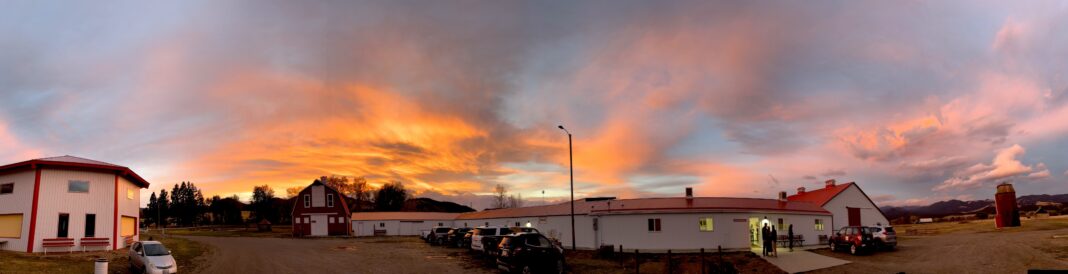
I shudder at the prospect of even thinking about mentioning the word: fall. But the reality is that the next season on the calendar will be here very soon, and probably before we want it. But we can be ready for it. Sept. 22 is the official first day of fall, and for us, the first killing frost usually comes in mid-September. But already we’ve had a couple of sub-40-degree August mornings at our farm.
Personally, I look forward to the cooler days; it’s the end of the growing season that I mentally struggle with. But now, in mid-August, we still have time to mentally prepare ourselves for fall, and time to prepare our gardens and yards for the looming change.
Let’s start with our trees. Have your trees or some of your neighbor’s trees started to change color already? The cooler temperatures we’ve been having, along with shorter days, can initiate an early response in some deciduous trees. Drought or saturated soil can also spur a similar response.
Soil Moisture: I recommend some minor digging around your trees to check your soil moisture. If the soil is a deep, dark brown and doesn’t crumble easily, the condition of your soil is within an acceptable range. Still, watering your trees in fall can be critical for winter survival, so even after the first frost, be sure to water your trees a few more times.
No Pruning: With the exception of dead branches, which can be pruned out anytime, this is the no pruning time for trees. From now until around February, avoid pruning your trees and shrubs. Why? Because pruning stimulates growth, and this is the worst time for tree and shrub growth.
No Fertilizer: This is also, in general, the no fertilizing time for trees and shrubs. Try to keep nitrogen fertilizers away from your trees and shrubs. Why? Same reason as the pruning – applications of nitrogen fertilizer now can encourage late season growth, which may not have time to harden off, and may interfere with the trees’ normal dormancy processes.
Garden Pruning: If you have not been pruning your tomatoes, pepper, cucumbers and melons, now is the time. Cut back parts that are flowering now, and cut back some of the leaves, so the plants focus their energy on finishing development of the fruit. If you have never pruned your annual vegetables, there are lots of good guides and videos online that can walk you through the proper techniques.
Veg Protection: If you have never used row cover material, also called frost blankets, before (one brand name you will see is Agribon) to protect your vegetables, I highly recommend trying it. It can give you up to 5 degrees of protection in some situations. Simply cover your plants with the row cover prior to the freezing event. You will get a better result if the row cover is elevated above the plants. The row cover can stay on during the day as well. Usually, we get a couple light frosts in September, but our first killing frost doesn’t come until October, so row cover material can help extend your growing season by three or four weeks.
Boost Your Garden: If you didn’t side-dress your onions with a little extra nitrogen in July, you still have time. You will have bigger onions if they have sufficient nitrogen going into the last couple months of the growing season. Did you harvest your radishes or some leafy greens earlier in the year and now have free space in your garden? It may not be too late to seed another crop such as spinach or green onions in your bare spots. And if your green onions don’t have time to mature, no problem. They usually overwinter just fine, and you can enjoy them next spring.
To properly prepare yourself for the upcoming season, it’s wise to accept the change and find peace, even beauty in it. I think that’s one reason so many people appreciate the stunning colors of fall foliage – it’s a reminder of the necessity of change and growth.
It is also important to connect with friends and family. Enjoy the bounty of your garden and your hard work with others. Have some friends over for a picnic and show off your landscaping and perennials. Set up the volleyball net on the grass you have been working hard on all summer to keep green and lush. However you like to enjoy your time outdoors, make the most of these last weeks of beautiful Montana summer. They won’t be here for long.
Brent Sarchet, a certified International Society of Arboriculture (ISA) arborist and crop advisor, runs Finn Creek Farm near Boulder with his wife Andrea. Contact him at bsarchet@gmail.com.