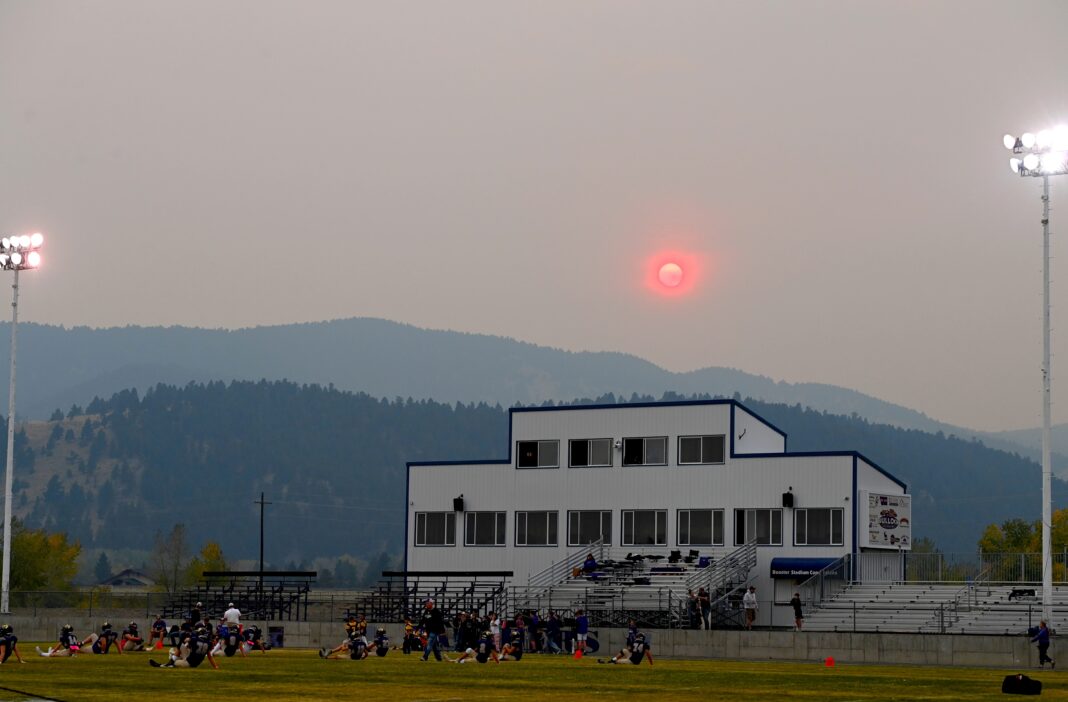
Many have noted the smoke in the air from the fires burning in Canada. With that haze comes a stark reminder – the first stages of prime wildfire season have arrived in Montana and Jefferson County. The seasonal wildfire outlook for this summer is grim. According to the National Interagency Coordination Center, Montana’s significant wildland fire potential indicates a greater than usual likelihood that significant wildland fires will occur this summer (National Wildland Significant Fire Potential Outlook, 2025). Locally, our wildland fire fuels (grass, shrubs, and trees) are drying, receptive to fire ignition, and have enough energy to sustain wildfire spread (NR 11, West Central Montana, 2025).
Armed with this data, agencies in Jefferson County have been conducting our annual spring wildfire coordination and planning activities. Those include the Jefferson County Office of Emergency Management and Fire Warden, the Jefferson County Sheriff’s Office, your local volunteer fire departments, local and interagency dispatch centers, senior elected officials, the Tri-County Community Organizations Active in Disaster (COAD) the Montana Department of Natural Resources and Conservation (DNRC), the Beaverhead-Deerlodge National Forest, the Helena-Lewis & Clark National Forest, the Bureau of Land Management, and response and support agencies from Lewis & Clark, Butte-Silverbow, Madison, and Gallatin Counties.
The success of all these efforts, however, is dependent upon the partners we have in every household and business across the County. Citizens have a shared responsibility in mitigating, preparing, responding to, and recovering from wildfires. Flammable materials should be cleared from around structures and vegetation should be maintained and limited to fire-resistant varieties. Most structures destroyed by wildfire burn because the ember shower ignites flammable materials or vegetation nearby which then spreads to the building itself. These mitigation steps are critical to structure survival, as there are never enough fire engines or personnel to protect every structure during a major wildfire event.