
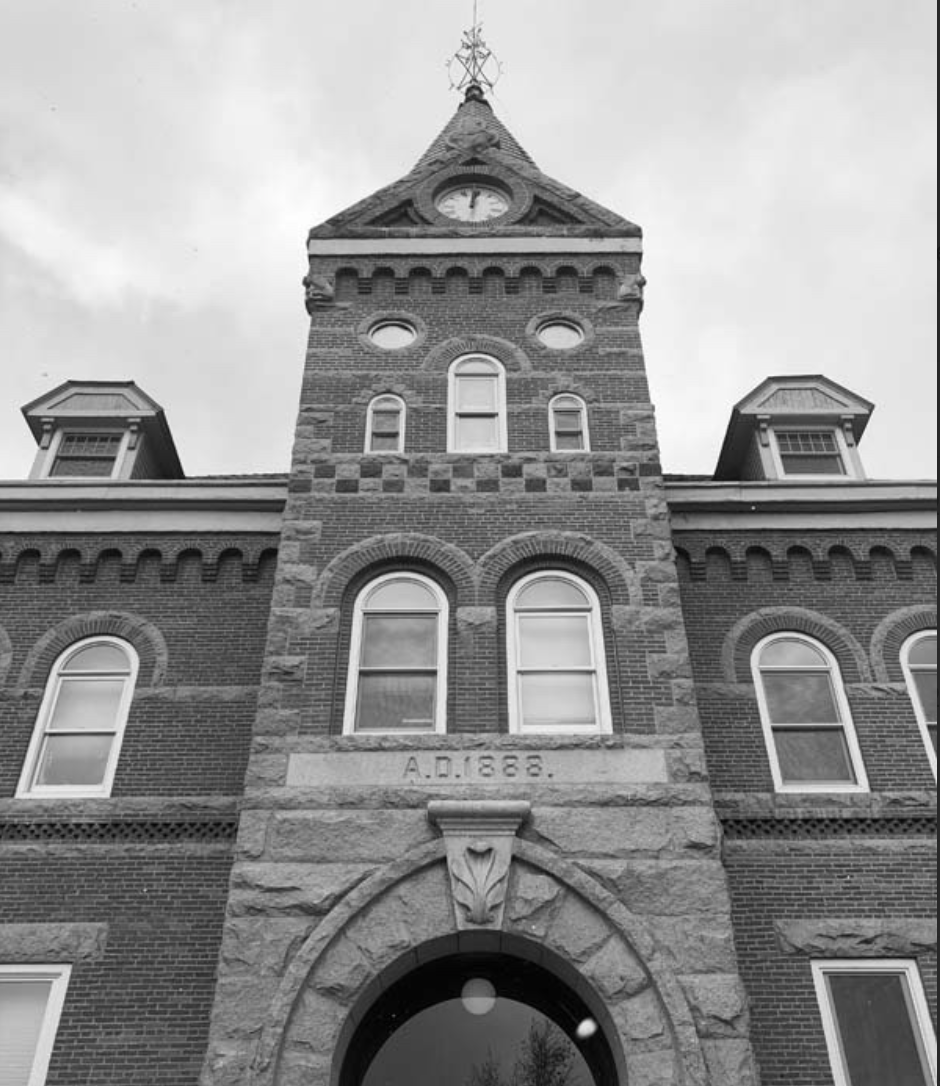
The clock on the wall of the downtown Boulder courtroom ticked at its own steady pace last Wednesday, urging along the morning’s criminal hearings overseen by Judge Luke Berger.
Berger, the sole presiding judge at Montana’s Fifth Judicial District Court, which convenes every Wednesday, sports a bushy beard fit for a woodshop teacher. But on this seemingly typical morning in court, he performed his duties with impressive efficiency, promptly informing each defendant of their rights, urging them to communicate with their attorneys and handing down sentences with little fanfare.
The morning’s theme, had there been one, could have been alcohol. Escorted by a police officer, defendant Michael J. DeShazo came to the stand in an orange jumpsuit, charged with a fourth DUI and facing three additional charges in Butte. Next, a sexual assault charge after a night at a bar, followed by felony destruction of property while drinking. Montana, it should be noted, leads the U.S. in per-capita drunk driving fatalities.
The young man facing sexual assault charges sat up stiffly and repeatedly addressed Berger with “Yes, Your Honor.” One defendant, a short woman charged with felony theft, glanced around nervously with furrowed brows. Most listened blankly to the judge. None smiled, presumably wanting to avoid the wrong impression.
Jefferson County’s 21st-century twist on courtroom drama is remote participation. Several defendants and their lawyers joined via Zoom, which the judge seemed to accept as normal. One attorney, however, forgot to mute his court-linked microphone when he answered a phone call. “I can’t do anything right now,” the court heard him say as he told the caller he was busy.
The session was soon ahead of schedule as the lawyers had resolved some cases through plea deals, which is common in Montana. The highlight of the day came with case number eight for Grant Gensmer: a Helena man charged with a felony for firing a shotgun at (and throwing rocks at) a woman’s parked car while drunk.
“Sorry for all the actions I did,” he said quietly, almost mumbling. “[This] has really been an eye-opener and I will never do this type of stuff ever again.”
Judge Berger responded with sympathy. “Everyone’s done stuff that’s young and dumb, some things are more serious than others,” he said, appearing to accept the defendant’s apology as genuine. “Next time you think about doing something stupid, here’s what I want you to do: shut your eyes and imagine me looking at you, because the next time you do something stupid I’m not gonna laugh, I’m not gonna make jokes, I’m not gonna say you’re being young and dumb. I’m gonna look at you and I’m gonna go ‘How do we make sure Mr. Gensmer gets it this time? Do we send him to prison?’”
Gensmer nodded, appearing chastened as he received three years’ probation. “I don’t think that you would do very good in prison,” added Berger. “So don’t give anybody the opportunity to send you there.”
Sitting in court, listening to the proceedings, it all seemed part of a regular routine. The machinery of the state with everything falling into place. Cases were handled matter-of-factly, with many details not divulged. Most of the time was taken up by the judge informing the defendant of what to do next.
Lawyers representing the state seemed to have little to do, speaking mostly to confirm their acceptance of the ruling. It could almost have been mistaken for a fancier DMV, with the clerk positioned above the petitioners. But then one recalls why everybody’s there.
The blunders that will follow them for a lifetime. The hard lessons learned – hopefully – through grave error. The recidivists who might soon pass this way again, and of course the pain and suffering they have likely caused.
Toward the end of the session, an older man charged with felony sexual assault against his 13-year-old daughter (for groping her while drunk) seemed hard of hearing. Under Montana law, the sentence for sexual assault of a person under 16 years old is anywhere from life in prison to no less than four years, unless the judge finds good cause for a reduced sentence.
When Berger asked if he would like to make a statement, the man appeared confused. He looked around the room, then stood up. “I’m sorry,” he said, before receiving three years’ probation.