In April, Jefferson County learned it would receive nearly $2.4 million from the American Rescue Plan Act (ARPA), federal legislation aimed at repairing the damage done to communities by the coronavirus pandemic.
As it confronted the windfall, the county realized it would need help—someone dedicated to managing and reporting on the grant, and to finding new funds that could build on the first round of activities. “There’s a ton of money out there, and we don’t have the expertise or the time to understand it all,” County Commission Chair Leonard Wortman said in May. “We need someone to guide us through that.”
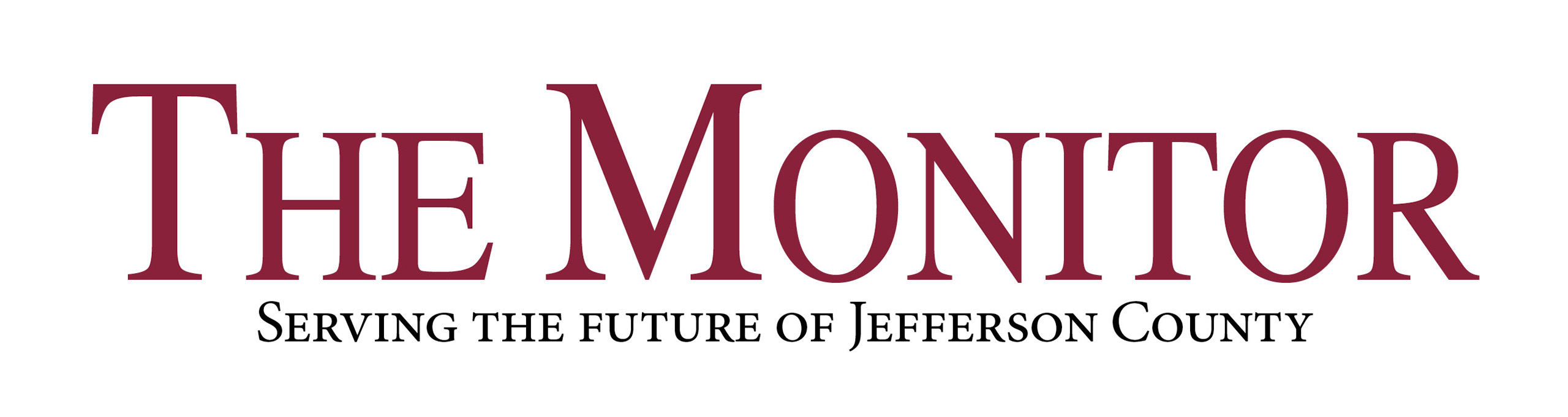
In November, the county found its guide. Terri Lewis, 70, grew up in Boulder (she is the sister of Patricia Lewis, Boulder City Council member and The Monitor’s office manager) but has spent most of her life far afield. She built a nonprofit corporation in Tennessee that hired people with severe disabilities to make food products for government contracts, and she taught rehabilitation administration at a university in Taiwan.
Technically, Lewis is an employee of the Jefferson Local Development Corporation; the county and the City of Boulder reimburse the JLDC for her services. She spoke with The Monitor about her new role, her plans, and the opportunity to leverage ARPA funding to drive long-lasting change. The interview has been edited for length and clarity.
—Keith Hammonds, publisher
You are the county’s ARPA grant administrator. What does that mean?
My job is about wading through a federal initiative that nobody quite understands yet, but we’re all doing the best we can to put the puzzle pieces together. Right now, I’m following the footprints in the snow in terms of the local conversation.
You mean the plan that’s been developed by the county over the last nine months.
Yes. The final Treasury Department guidance just dropped into place in the last week. Up to now, state and local governments have been working off of an intelligent SWAG [scientific wild-assed guess] based on the information they’ve received, and they’ve done a pretty good job.
ARPA is still evolving, and it will be impacted by other initiatives that come later. But right now, my priority is the Community Recovery Plan. The first bucket is public health: We have a very small public health program in Jefferson County. It’s been historically underinvested-in by the state, as have many rural Montana counties. We’re a very large county, and we’ve relied on medical services from urban centers in neighboring counties. But COVID upended all of that; it reduced our access to those services in Helena and Butte, shifting responsibility back to rural counties without providing additional support.
There are some issues with that. One is broadband. Telemedicine has been a big part of the response to COVID across the nation in rural counties, but we don’t have consistent broadband service. So when public health providers go out to support rural households, they’re not linked together; if an ambulance has to pick up someone and take them to an ER in Helena or Butte, we can’t access medical records. Paper records create a real drag on the system.
COVID is generating a lot of information about gaps like that, and it has caused us to rethink the resources we have available for planning.
That’s an important insight, that COVID has surfaced and magnified gaps in the system that were always there. How can the current ARPA allocations fill those gaps?
The Public Health Department realizes it needs communications tools. We need a skilled health communication educator. The information that gets disseminated about public health has to be unique to the county, and it has to be accurate and timely.
Or take health informatics: We’ve seen on a national scale how awful our health information systems are. Data works best when it informs local health decisions, but we don’t have the tools to collect it. So we’ve had conversations about looking for an entity or person to fill that gap.
ARPA money allows communities to address a host of related needs. When schools are closed, for example, kids are at home—often in substandard housing. This county has a housing crisis, but we don’t have data that reflects this crisis under normal circumstances. ARPA could support a survey identifying households that need lead paint abatement, heating and cooling systems that need repair, windows that need to work properly.
What are the other ARPA buckets?
Part B is aimed at supporting impacted industries. That will have three targets to start. The first is assisted and congregant living. These are small grants, and they can be used for anything—building modifications, overtime, training, reimbursement for PPE. They’re not large buckets of money, but they’re going to touch a lot of people and they can make a difference.
The second priority is small business grants. There’s money set aside for 25 grants of up to $2,500 for companies with fewer than 10 employees. A lot of small businesses did receive Paycheck Protection Program (PPP) loans. My own goal is to reach those folks who didn’t have the tools or understanding to apply for PPP. They need the most help. [Learn more and apply at http://www.jeffersoncounty-mt.gov/]
The other area that’s going to be addressed initially is the not-for-profit community: They rely on fundraising and many have had to cancel activities. Their relationships have been interrupted.
Then there are other monies targeted for water, sewer and broadband. Clancy has made a request for a contract to start doing water surveillance through laboratory analysis and begin to modify their community water plan to attack those problems. There are buckets of $250k set aside for both Basin and Clancy. I’ll be tracking and reporting that, but the money will go directly to those districts.
Another part of your work is to identify and apply for other grants.
Yes, and that will be adjunctive to what we’re doing now. We’re doing a gap analysis to identify opportunities. That’s why I want a health informatics person.
The thing that comes up in every conversation in this county is housing. We’re strangled for housing. We have a lot of people living in housing such that they don’t have an income stream for replacement or repair. Finding our way to get our arms around that is going to be a priority for me. There are lots of ways to manage it: Land banks, housing trusts, but that’s a conversation we have yet to hold, and I hope we can stimulate that conversation as we get better data.
Where have you come from that informs your approach to these challenges?
I grew up in this county. I grew up in sub-standard housing, in a single-parent family affected by a lot of these social problems. My first job was driving a laundry truck at the state school. I left Montana in 1973 and got my bachelor’s degree in education, and then my master’s in rehabilitation, at a time when the federal government started putting money into training programs for community deinstitutionalization.
I worked in the first federally funded preschool program for kids with special needs, in Indiana. I moved to Ohio, and then landed in Tennessee. I picked up system redesign skills along the way, because it needed to be done and I had a natural bent for it. When I got to Tennessee, someone asked me to do service system building for people with disabilities under a social enterprise model. I did that for 20 years; I built an organization that employed 300 people with disabilities and contracted to the Department of Defense, Social Security and the FDA.
In 2006, I got Ph.D. so I could teach others how to do what I was doing. Then I got recruited to work with the Taiwanese government on training program there for hospital deinstitutionalization and building community-based services. I’ve been doing that for last seven years.
But I have family members with chronic health problems, and it was time to come home. It was in that transition, I had had a lot of contact with JLDC folks, and they asked me to come work with these issues.
So, you have a deep connection to health issues and a very strong systems orientation.
Yes. My son has chronic pain, and that makes you exceedingly aware of how bad the health system is for people with complex illnesses, the elderly and people with disabilities. COVID has exacerbated that. The opioid wars have exacerbated that. There are definitely systems issues, and they require a lot of attention.
So that’s what I do. I didn’t plan to do this, but here I am. It’s an excellent use of my time, I have these skills, I’d be absolutely remiss if I didn’t do this, and I’m happy to do it. There’s a lot of work to be done here.
What will determine your success?
It starts with confidence and trust, but people also want to see some change. There are some real challenges, and people don’t know how to get their arms around them. I know how to have these conversations. People have to understand that you share their concerns, and that you want them involved in the decisions that affect them.
People have lost a lot of control over their lives in the last 24 months. There’s plenty of hostility and anger to go around, and untrustworthy messaging, so being there to sort through that and help them create their own local plan is critical.
I understand it’s really boots on the ground. You have to be able to speak their language, not baffle them with bullshit, and hear what they have to tell you—and help them translate that into something that makes a difference for them.