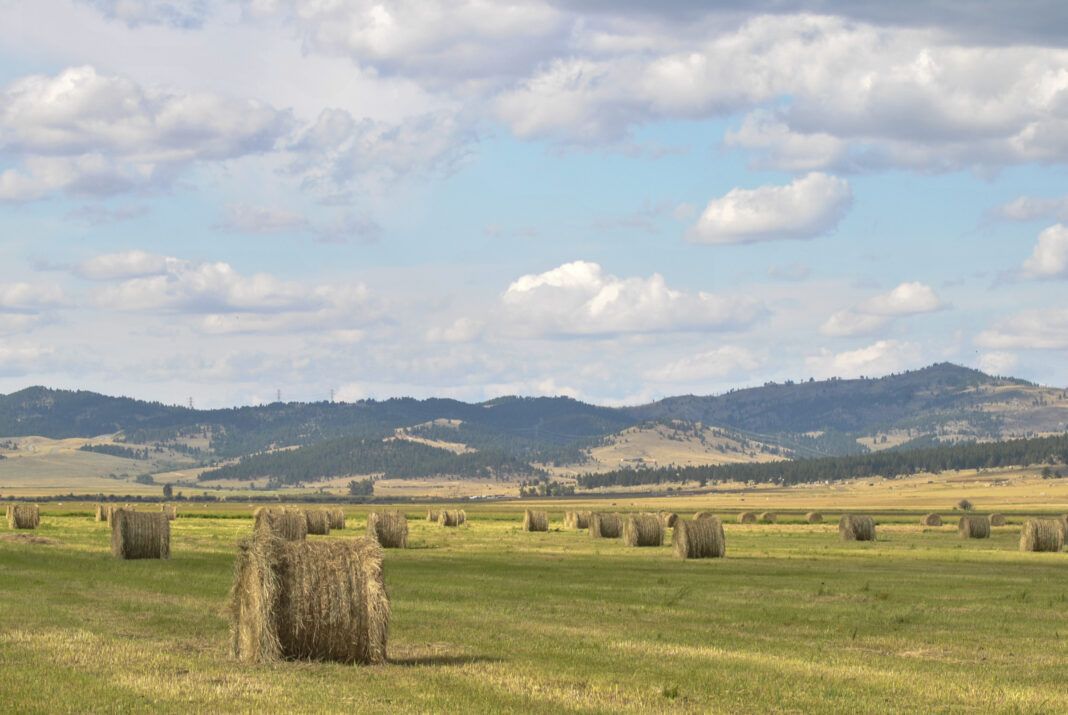
The video, taken by a farmer in a field of hay that had just been harvested, showed dry stalks poking up from arid earth that seemed to writhe on its own—a plague of grasshoppers dining on the plants that normally become livestock feed, completely blanketing the ground and buzzing through the air.
Shared in a Facebook group for Boulder residents, the video was filmed hours away in northern Montana, but it reflected the reality of farmers and ranchers here in Jefferson County and around the American West this summer: no water, no feed and no shortage of tough decisions about the fate of herds, ranches and the families that sustain them.
Local ranchers and farmers said that this year’s drought conditions, which are remarkably severe and widespread, have combined with preceding years of drought and low livestock prices to deliver what might be the knockout blow to many in the industry. Drought conditions are so severe, they said, that there’s little forage for cattle on public-land grazing allotments, and ranchers can’t afford to buy what little hay local producers have been able to eke out of their parched fields. Formal and informal online hay marketplaces offer to connect buyers and sellers from distant communities, but drought conditions have been so widespread that affordable feed is available seemingly only in a few southern states where long-haul transport of hay to the Northern Rockies makes it too expensive. Faced with no economically viable way to sustain herds on the range or on their pastures, many ranchers are selling off animals earlier and in greater numbers than those in the business say they’ve ever seen—and they’re not making much, if any, money on it.