Covid renews interest in radiation, but docs caution against pilgrimages to radon-filled mines

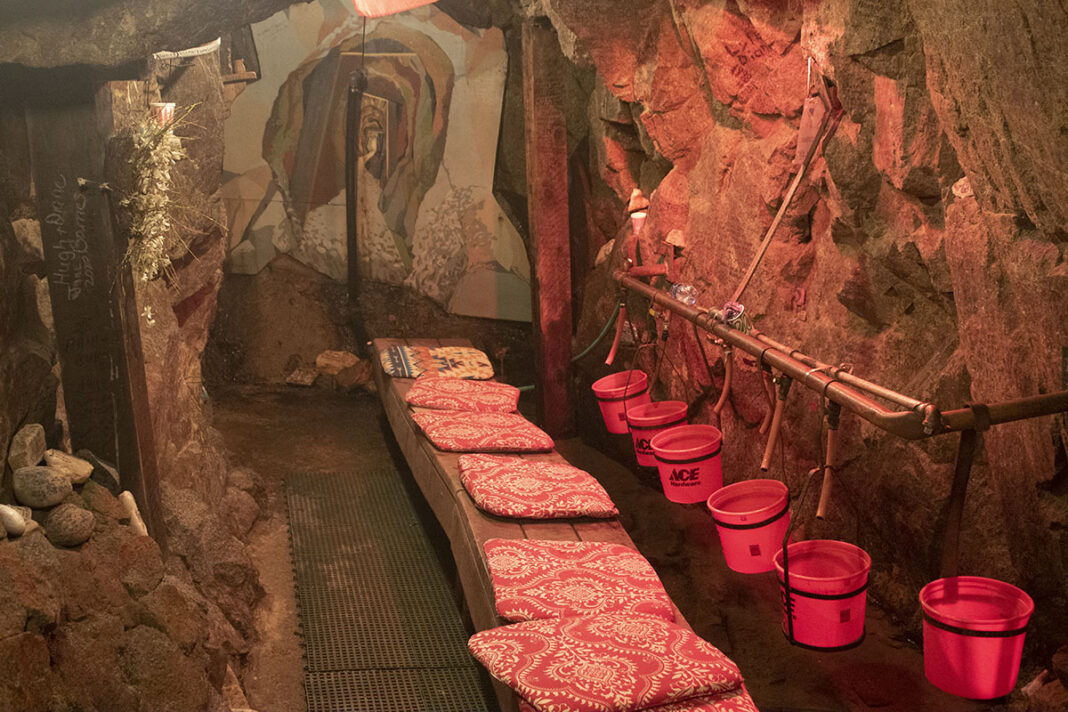
Radioactive water seeps from a crevice at the very back of the Merry Widow Health Mine. Visitors sit on the bench and soak their feet and hands in the water, some even drink it. While the Hostetlers were agreeable to talking about their annual trips, they did not allow photos to be taken of their family.

RELATED

Twice a year, Brian Tichenor makes the 1,200-mile drive each way from his home in Kansas to a defunct uranium mine in Boulder, where he takes an elevator 85 feet below the surface to sit amid radioactive radon gas to ease the pain from his chronic eye condition.

“I found it like I think a lot of people do,” said Tichenor, 67. “It’s a point of desperation with conventional treatment.”

While radon is commonly known as a hazardous gas removed from basements, people in pain travel to Jefferson County and pay to breathe, drink and bathe in its radioactive particles. The travelers view the radon exposure as low-dose radiation therapy for a long list of health issues. But the Environmental Protection Agency and the World Health Organization, among others, blame the gas as the second-leading cause of lung cancer. Although cancer doctors use radiation as a front-line treatment to destroy dangerous cells, its role in the U.S. in low doses for other ailments is disputed. The pandemic has recharged that debate as clinical trials across the world test whether low doses of radiation can help treat COVID-19 patients.

📧 Continue Reading

You've read 2 free articles. Enter your email to unlock 2 more articles and get our newsletter.

For unlimited access and premium features, explore our subscription plans.

— OR —

Subscribe Now

Already a subscriber? Login here

- Advertisement -spot_img

LATEST NEWS