
Baseball fields on the east side of Boulder could see increased maintenance and improvements under a push by a group of residents to rehab the decades-old fields. But the group proposing the improvements must first develop a specific plan and present it to the city Planning Board before the board will consider recommending that the City Council help support possible grant funding for projects.
Boulder Youth Baseball struck out on Monday night when it tried to get the city’s Planning Board to recommend that the City Council support the organization in seeking grant funding to improve city-owned baseball fields on the east side of town. The board did agree to inform the council that the baseball group may develop a plan for improvements that it could bring back to the board for possible further action. The primary sticking point was a chicken-or-egg debate between the board and members of the public, including City Council Member Pat Lewis—and among board members themselves—over whether the baseball group needed to first present a plan to seek city authorization to pursue grants that it may need the city to write letters in support of, or if the group needed to first get city authorization to develop such a plan before one could be submitted to the city.
Lewis and Boulder Youth Baseball did not ask the city to spend its own money on possible projects, which could include resurfacing fields with new topsoil and reworking a crumbling irrigation system. But they stressed that grants they may apply for to fund such projects would likely require a letter of support from the city.
“The bottom line for me is that we get permission from the city to move forward so that we’re not moving our wheels” in place, Lewis said. (Editor’s Note: Pat Lewis is a part-time employee of The Monitor. Her job is separate from the newsroom.)
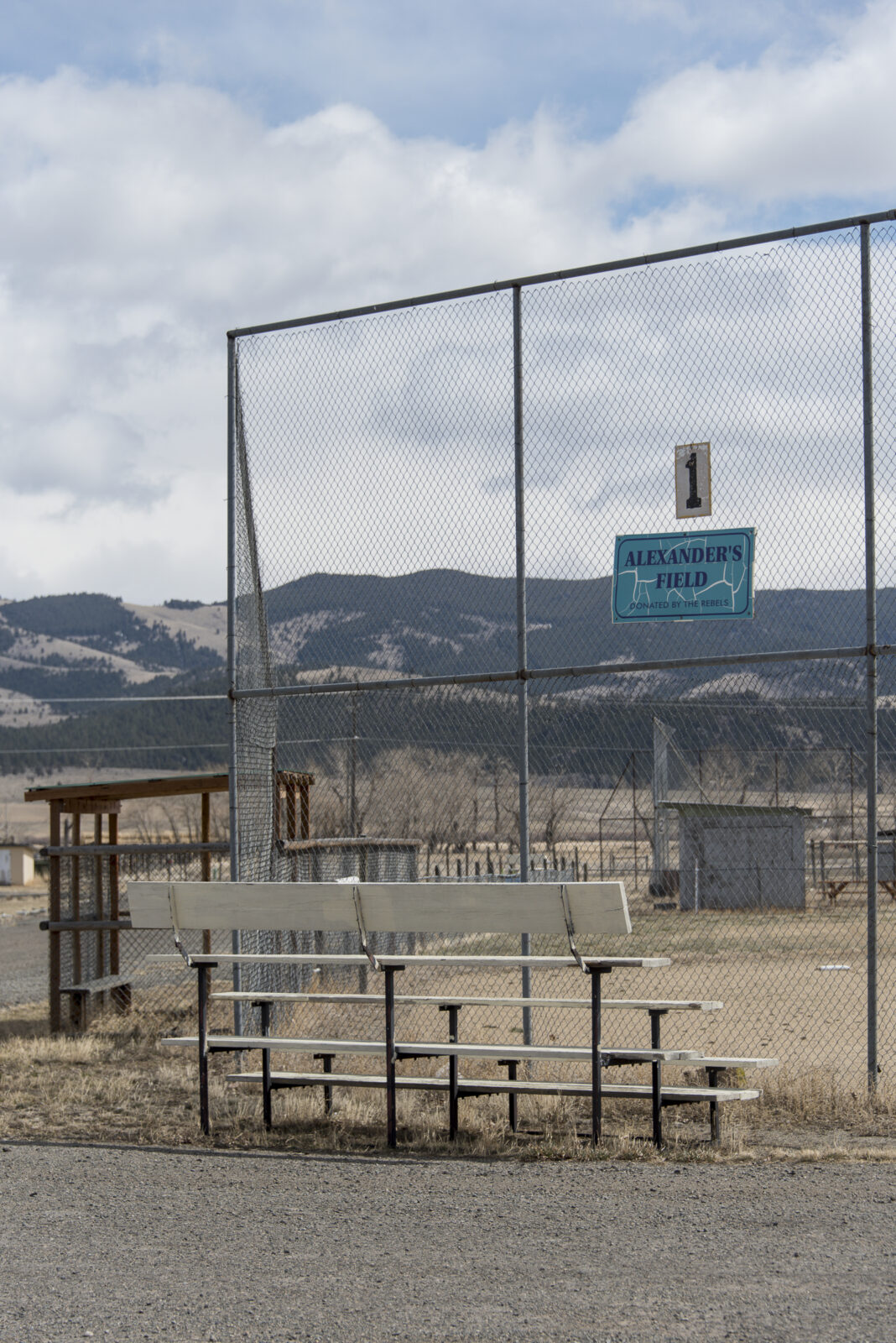
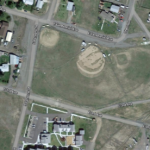
Boulder Youth Baseball has been maintaining, with city help, the three ballfields at Alexander Fields, between East Centennial and East Third avenues, for more than 30 years, the group said in a two-page outline of improvements it submitted to the Planning Board at Monday’s meeting. The group fields a variety of age-group teams from 5–11 years old and coordinates games with the North Jefferson Baseball League, it said, adding that Boulder generally hosts 16 games and 12 practices annually in a season that runs from mid-April through June.
The document outlined improvements including professional resurfacing of outfields with fresh topsoil, replacing the fields’ irrigation system, replacing much of the complex’s fencing, building an additional dugout, demolishing the concession stand and building additional bleachers. A few items carried price estimates from 2020, including $7,800 for topsoil and $6,000 for fencing in the primary little-league size western field, and $19,600 for topsoil and $13,000 for fencing in the softball-size middle field. The third field, little-league size and to the east, is used occasionally for practice, the group stated.
Bill Dawson, a board member of Boulder Youth Baseball who represented the group at Monday’s meeting, said that fencing and ground improvements were the group’s leading priority at Alexander Fields. The soil on the three fields doesn’t hold water, Dawson and board members agreed, and Board Member Dennis Wortman, the city’s public works director, said that the fields’ irrigation system was in disrepair. Resurfacing the fields with fresh topsoil, replacing the irrigation system in the process, would solve the problem, he said.
Dawson said Boulder Youth Baseball was also in contact with Jefferson High School to understand the school’s potential need for ballfields once its planned co-op softball agreement with East Helena High School expires after three years—an arrangement JHS hopes will lead to having its own in-house team, which would require fields in Boulder that the school currently lacks.
But first, Dawson said, he wanted to make sure Boulder Youth Baseball had the city’s support to pursue the projects. A component of that support, in additional to possible support letters for grants, he said, was trying to understand whether the city supported the fields’ current layout, or if the city might reconfigure them in coming years—possibly undoing costly improvements.
“Do we want to put the effort into improving these fields where they are at, in the same design and format, or is there any direction to do anything different beyond fields that are there?” he asked. “We don’t want to put the effort into improving fields [if] the community thinks maybe they’re better served by soccer fields.”
Board Chair LaDana Hintz, who is also Jefferson County’s planner, said that the city should first conduct a survey to understand residents’ vision for the fields, noting that public comments in recent years led the city to focus on bringing to fruition its trails plan. The current push is to secure easements for trails along the Boulder River, not spending on improving ballfields, she said, although a new survey could show support for the latter. Plus, she said, revamped softball fields could attract tournaments, leagues and other economy-boosting events.
Lewis pointed out that Boulder Youth Baseball was ready to seek funding and perform labor to improve the fields itself—but only with the city’s blessing. Hintz said that the public should be surveyed before the city lent its approval.
“I know they’re not asking us for money, but a project like this is going to take lots of money,” Hintz said. “That’s why we need to put it out there to see what the public wants.”
Lewis replied: “How long do we wait? We’ve got a group of people who are ready and have been for 30 years committed to our ballfields. And if they want to do some improvements, in our day and age, they need the approval of the city.”
Hintz said that “we don’t know what you want to do,” because Boulder Youth Baseball hadn’t submitted a professional plan for improvements, but Dawson said there wasn’t a plan beyond the two-page typed outline because “we just didn’t want to put forth that effort if there wasn’t support” from the city, and Lewis said she believed the group needed the city’s support before it develops a formal plan for improvements, which she pointed out would likely entail seeking grants that require letters of support from the City Council.
But Hintz and other board members said that the group needed to present a more thorough plan before it could recommend support.
“We don’t even have a plan to look at to comment on,” Hintz said.
“We’re not looking for a comment. We’re just looking for a blessing to proceed with investigation,” Lewis said. “No city commitment other than, ‘Knock yourselves out and bring something back to the board that we can work with and see if we want to put in a letter of support.'”
Eventually the Planning Board unanimously approved a motion by Larry Bagwell, seconded by Roger Johnson, to inform the City Council that “there’s an organization looking at improving the ballfields,” and Hintz clarified that “we’ll make that recommendation to the council that you’re out exploring, and you’ll come back to us with a plan.”
Board Member Gyle Nix, also a City Council member and a longtime contractor, remarked that the group’s two-page outline of improvements described as much as $125,000 in projects at the fields, which Bagwell pointed out 2020 estimates—outdated because of pandemic-related supply chain and labor disruptions.
“That’s just a ballpark, Gyle!” Lewis replied.