Back in June, 2019, the city of Boulder invited applications for $50,000 in façade improvement incentives, supported by the Boulder Development Fund. Main Street business owners could get up to $5,000 in matching grants to erect new signs, splash on a fresh coat of paint, or repair windows.
It seemed like a great deal — and literally no one applied. Crickets.
Eventually, the city broadened eligibility for the program; upped the maximum grant to $7,500; and removed the match requirement. And by the following June, five projects had trickled in, two of them for buildings owned by Mayor Rusty Giulio.
Two years later, we’re finally enjoying some of the fruits of those incentives. The Masonic Lodge, which got funding to repair its old stone building, became home to The Gift Box — and it looks terrific, with bright flowers flowing from planters. The new sidewalk in front of The Sweet Spot is a welcome upgrade.
But we’re also seeing improvements from Main Street entrepreneurs who received no incentives at all. They just, like, did it.
Last November, Dave Schell bought the bar and bowling alley formerly known as Phil and Tim’s. Phil & Tim’s was a Boulder institution, but it needed work: Its front door was held open with twine and an ash stand, and the concrete exterior looked like it hadn’t been painted in decades.
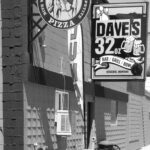
In recent months, Schell and Bruce Giulio, proprietor of Maddog Pizza, which operates out of the bar, have repainted the old concrete. There are two bright new signs in front. The parking lot has been repaved, and the beer garden in back is once more habitable.
Schell’s building is still not exactly a thing of beauty. But Dave’s 32 oz. Bar and Grill is starting to look like a joint you might want to take your family to.
“I could see, with every improvement I did, that it changed the clientele,” Schell says. “People were coming in who weren’t there before. A lot of people like dive bars – and we’re still a dive bar. But we’re clean.”
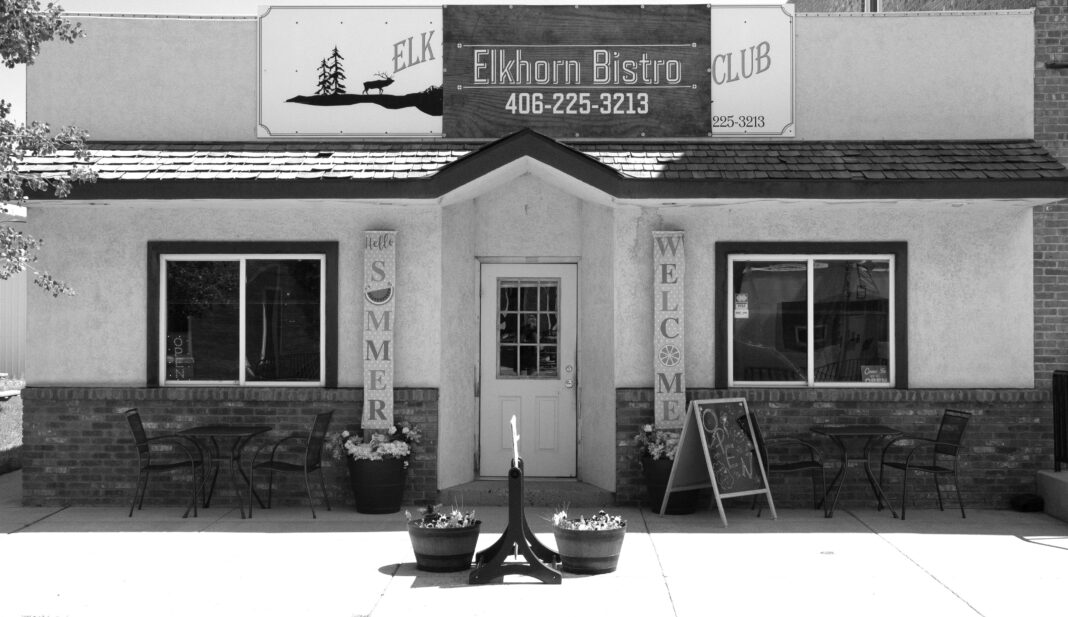
Across Main Street, Jennifer Chapman has been prettying up the Elkhorn Bistro, which she manages for owner Rusty Giulio. There are no big investments here; Chapman’s changes are all about dollar-store bootstrapping.
“When I came here, there was nothing out front,” Chapman says. “I started with some flowers. People loved those, so I added more decorations.” Each month, she and her employees come up with a new theme – it’s the wild west for Fair and Rodeo week — and hit a Hobby Lobby for cheap trimmings.
Chapman’s family began contributing craft decorations. Customers got into the act, bringing in supplies. John Larson made boards to hang banners from. Connie Grenz donated two old bicycles, which Chapman and Deb Durham painted in bright colors to stand in the Bike Barn rack in front of the building. Chapman mowed the vacant lot next door and moved in some picnic tables.
Why does Chapman do this? “It’s where my heart is,” she says. “Also, it engages people. This isn’t a glamorous place, but [the decorations] make it welcoming. It shows we care.” Employees, she says, are jazzed. Regular customers are happy. Visiting cyclists feel at home.
This is how it begins. Small changes spark modest gains. People notice the bright flowers and fresh paint; it looks…friendly! A few more cars on their way from Yellowstone National Park to Glacier decide to stop for lunch.
And then other business owners perk up. “Now I have to up my game to keep up with what Dave’s doing,” Rusty Giulio told The Monitor a few weeks ago. Giulio owns The Windsor Bar next door, which could use some spiffing up.
The pay-off from such investments, modest or large, won’t be immediate. Schell spent $25,000 on his new parking lot, and thousands more to repair his aging bowling lane machinery. “That’s going to take a while to pay off,” he admits. In Philipsburg, a town about Boulder’s size whose economic development efforts The Monitor described in 2018, revitalization took 15 years of continued investment.
But economic development is iterative and cumulative; one effort creates the foundation for the next, and it takes on more power as more businesses pitch in. “We can build this town up, and bring more money to local businesses,” says Chapman. “Honestly, I think it would bring the community closer.”
“The better the whole,” Schell says, “the more people come in, which is good for everyone.”