
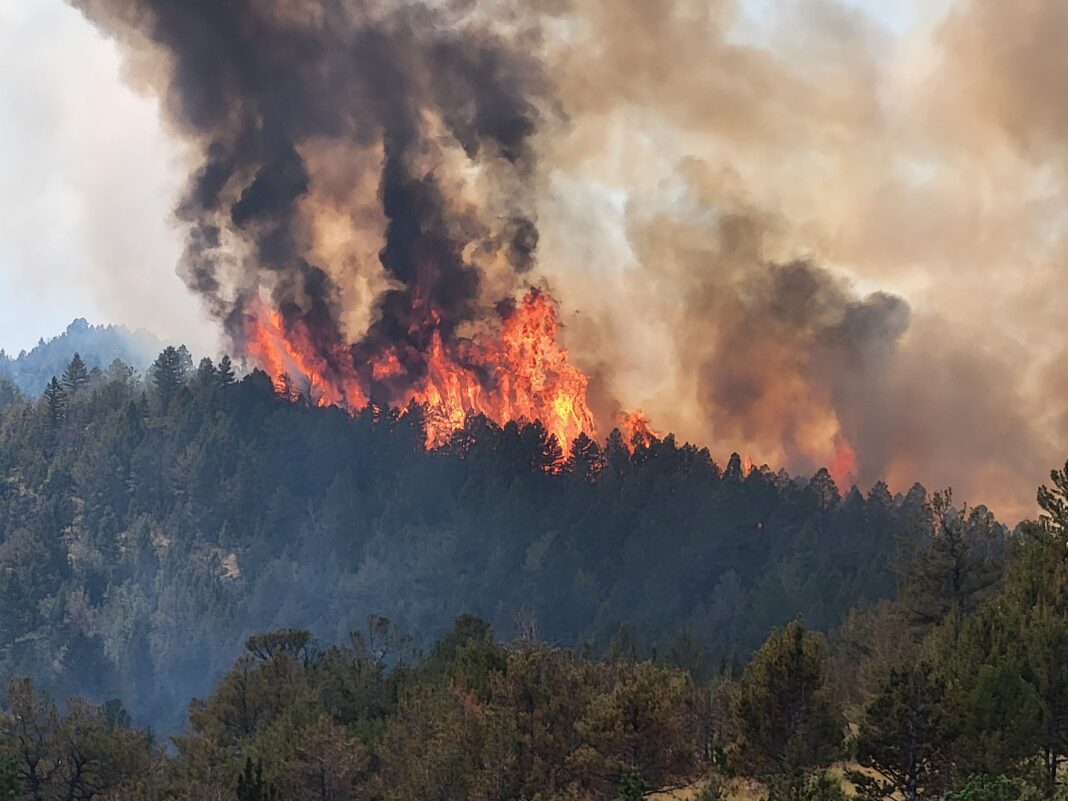
This fire season has been relatively quiet compared to years past, but the threat of wildfire is still genuine and was on full display north of Cardwell last week where The Doherty Mountain Fire demonstrated the need to remain prepared.
Jefferson County Fire Warden Doug Dodge said, “The Doherty Fire is a good indicator of the current condition of the wildland fuels and their receptivity to fire in Jefferson County.”
The Doherty Mountain Fire exploded to over 100 acres on Aug. 1, and according to Dodge, could have been much worse without some favorable conditions, including low wind and unusual access to air support.
Several helicopters and planes made multiple passes on the fire, dropping retardant and water to slow the fire’s progression – including one of only four DC-10 VLAT aircrafts in the nation. With steep and rocky conditions, the air attack was a much-appreciated addition for ground crews working to extinguish the flames.
As of Tuesday, Aug. 8, the fire is reported as 80% contained, according to the Montana Department of Natural Resources and Conservation website. However, despite the successes of firefighters on Doherty Mountain, Dodge believes that this fire was only the first spark of the season.
“The biggest help in our area this year was the cool and wet spring we experienced, which delayed the drying of fuels that drive wildfire potential,” said Dodge. “The other side of that coin is that the fine fuels have more height and density due to the spring moisture. If our pattern returns to hot and dry conditions, I expect an active fire season through the fall, especially so considering the fine fuels available.”
According to Dodge, fine fuels are wildfire fuels such as grasses, needles and leaves that are the first to dry out in hot and dry weather conditions. They are easily ignitable, and burn quickly. With so many of these fuels available, Dodge said potential for fire activity could result in a busy season.
“Fine fuel conditions are a leading indicator of the first stages of increasing wildfire risk when things begin to dry out,” Dodge told The Monitor. “Moisture levels in fine fuels change much more quickly than heavier fuels, such as larger diameter brush and logs.”
Increased fire activity is particularly concerning, Dodge said, as agencies throughout Jefferson County have stretched responders thin. For example, Dodge said this summer the Jefferson City Volunteer Fire Department has requested automatic aid from Clancy VFD for all wildland fires because they may not have the staff during the day to cover those calls.
“The volunteers are our first line of defense for keeping wildfires small, but that burden is being borne by fewer and fewer individuals whose average age isn’t getting any younger,” said Dodge.
While federal and state agencies have had more luck in filling their ranks, many of those positions are held by college students who will head back to school later this month, further depleting potential responders.
“Departments in Jefferson County rely on each other,” Dodge told The Monitor. “When one department doesn’t have enough personnel to respond, that can increase response times substantially, giving fires a greater opportunity to become established.”
However, the role of preventing and mitigating the damage caused by wildfires is a responsibility everyone can take part in. Dodge suggests taking simple steps to reduce risk and prepare for fires before they come knocking on the door.
“First, folks should look around their homes and think about where snow drifts form,” Dodge explained. “Those are usually the same places the embers from an approaching wildfire will gather. If any flammable materials are present there, they should be removed. Deck furniture, cushions or even straw entry mats can be home ignition hazards.”
Keeping wood piles at least 30 feet away from the home and maintaining nearby grass and trees helps eliminate ladder fuels, which can lift flames high into the air, where the potential for widespread ember dispersion becomes far more likely.
Dodge also recommends keeping up with emergency information through radio broadcasts or the Jefferson County Montana Sheriff’s Office Facebook page when fires are in the area.
“Lastly, have a plan for when, where and how your family will evacuate should it be needed,” Dodge emphasized. “Most civilian deaths that occur during wildfires are caused by citizens evacuating too late and getting caught in the inferno. Have a plan for helping friends, relatives or neighbors who may have access or functional needs. Have a plan for your pets and livestock. Practice all your plans.”
Regardless of how exquisite the burning skies of Montana summers may be, blazing forests, fields and homes threaten life in Jefferson County. Everyone is responsible for educating themselves and implementing measures to prevent disaster in the community.
“As much as those of us in the fire profession do to prevent, prepare and respond to wildfire, the biggest difference maker is each and every private citizen no matter where they live,” said Dodge. “We just ask that folks use good, Montana common sense.”