Jefferson County youth now have a voice in local mental health response.
The newly formed Youth Mental Health Local Advisory Council held its first meeting Friday, March 13, bringing together three seventh-grade girls – two from Whitehall and one from Boulder – to begin identifying what young people need when it comes to mental health support.
At that meeting, held via Zoom, the group began sketching out its purpose: to promote the well-being of county youth by empowering young voices to influence mental health strategies, advocate for resources in schools and communities, and foster an environment of support and understanding.
As for which mental health issues they see as most pressing, loneliness topped the list. One member from Whitehall described feeling mentally drained by school workloads.
“I think a lot of us struggle with being mentally drained,” she said in a comment shared with The Monitor. “Schools should be more understanding about the fact that the more they assign, the more draining it is, and just looking past our mental health isn’t going to get our grades up.”
The group also raised concerns about the social stigmatization of mental health issues, family stress, and the difficulty of finding trusted adults to open up to – expressing a preference for talking to peers rather than adults.
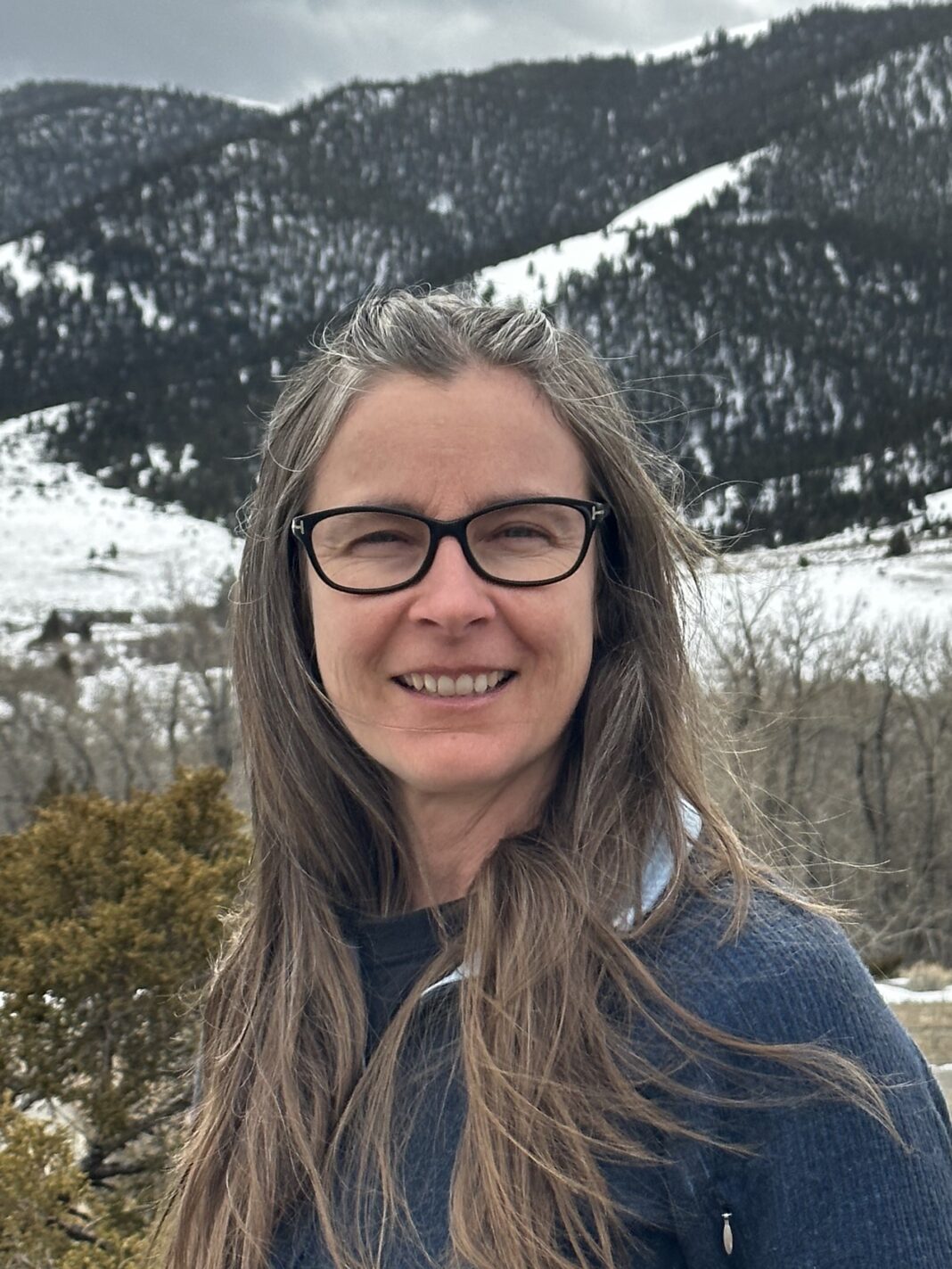
The council was organized by Rochelle Hesford, Jefferson County’s new Behavioral Health Coordinator. Her position was created through a Near-Term Initiative #11 grant, part of Montana’s Behavioral Health Systems for Future Generations initiative, which provides rural counties up to $250,000 to address local behavioral health needs.
Hesford also sits on Jefferson County’s adult Mental Health Local Advisory Council (LAC), which has met monthly since 2016. The council’s midday Thursday meeting time makes youth participation impossible, so Hesford decided early this year to create a separate youth council to report back to the adult LAC.
“We as adults in the mental health LAC can’t assume that we know what’s going on with the youth,” Hesford said, “and we can’t assume solutions either.”
The council’s formation was also driven by data, specifically the 2023 Montana Youth Risk Behavior Survey, published by the Montana Office of Public Instruction. The survey found that 43.3% of Montana high school students (38.2% in Jefferson County) reported feeling sad or hopeless for two weeks or more in the past year, up from 25.9% in 1999.
Two of the youth council’s members were in Southwest Montana Youth Partners’ Youth Leadership Program, a program Hesford oversees, focused on developing leadership skills and community projects. The third applied after seeing a flyer.
While the council only has three members, Hesford hopes to grow it to eight to ten students with a wider geographic spread. She plans to recruit from Basin, Clancy and Montana City, in addition to Whitehall and Boulder.
State of Mind, the University of Montana traveling theater production that visited Clancy last October, may soon return to Jefferson County in a new format – one centered on students creating social media campaigns around mental health. If it does, Hesford hopes to use it as a recruitment pipeline to bring more high schoolers onto the council.
Hesford says she will serve as liaison between the two groups, reporting back to the adult LAC on what the youth members are saying. She hopes the relationship works both ways – if the youth council identifies loneliness as a pressing issue, for instance, the adult LAC might help develop responses and bring suggested solutions back to the kids.
Longer term, she wants the youth council to help identify what mental health resources already exist in county schools, build a case for peer-to-peer support structures and ultimately get schools to implement concrete changes.
“I would want a really strong representation a year from now,” Hesford said, “starting out small, and then having a better representation and some solutions on the table, and maybe some schools on board with implementing some solutions.”
The youth group’s next meeting is scheduled for April 12. Meetings are expected to be held monthly, with occasional in-person gatherings. Future meetings will include educational components on mental health topics and, eventually, training on how to run meetings – with a long-term goal of the students taking ownership of the council themselves.