
Jefferson County last year budgeted $41,799 for equipment for its low-power FM radio stations, which broadcast country music, news, sports, and urgent information in emergencies.
Those funds were never spent – and none was spent the previous year either, when $46,370 was budgeted. In the county’s new 2025-2026 budget, another $41,799 has been set aside for transmitters, antennae or repeaters — and it may or may not be touched.
Still, the allocation stays put, just in case. “The last couple of years, we haven’t had any issues,” says Events Director Bruce Binkowski. “But [the budget line] is an estimate of what we’d need if everything broke down.”
This minor line item encapsulates how the county budget overestimates spending, year after year. In 2024-25, the county budgeted $29.6 million but only spent $22.1 million, a gap of about $7.5 million, or 25%. In 2023-24, the county spent $8.6 million less than planned (27%), and the year before that, the gap was $8 million (28%).
What’s going on? It’s neither illegal nor technically incorrect. Rather, this type of budgeting variance appears to be common in Montana. Municipal budgeting is complex to begin with, and unexpected expenses and revenue shortfalls are common. But several unpredictable factors — grant awards, improvement districts, and timing issues — make it more likely that millions of dollars will be budgeted and not spent.
Grants
Jefferson County receives grant funding from a number of sources — mostly federal and state agencies – which can complicate budgeting.
Take the $66,000 that Emergency Director Doug Dodge budgeted last year for a mobile dispatch console and radio equipment to enable law enforcement and emergency personnel to run dispatch away from the Boulder operations center — to manage crowds at big concerts, for example.
Dodge secured a FEMA Homeland Security grant in 2024 to cover the equipment purchase. But this spring, he was notified that the grant was under review — so he put the equipment order on hold. “We had to adjust the budget accordingly,” he says. Dodge still expects the FEMA grant to come through and has moved it to the 2025-2026 budget. But it could be moved again, or disappear altogether.
Federal grants ballooned during the Covid pandemic, and the county is still working through those. It had hoped, for example, to use funds from its American Rescue Plan Act (ARPA) grant of 2021 to help pay for the conversion of Cottage Five on the former Montana Development Center campus into a health facility. When that plan was delayed by other funding challenges, the ARPA funding went mostly unspent last year.
Because ARPA funds had to be committed to a specific project by last Dec. 31, the county allocated the remaining $227,086 to facilities administration — a budget category broad enough, says Clerk & Recorder Ginger Kunz, that it can be applied to the health facility if that eventually pans out, or to other projects as needed. In the meantime, it sits in the county’s budget, unspent.
Likewise, the county is essentially stockpiling $883,184 from its Local Assistance and Tribal Consistency Fund grant, from a federal program that appropriated funds to counties in 2022 and 2023. The funds may one day be applied to the health facility; for now, it is earmarked more generally for “professional services.”
In all, according to The Monitor’s rough estimates, in 2024-25 the county spent just $1.3 million of about $3.6 million budgeted for grant-funded activities. That $2.3 million difference represents about a $1 million increase from the corresponding spending gap five years earlier.
Rural improvement districts
The county budget includes some 30 rural improvement districts. These are essentially savings accounts for residential subdivisions: Property owners contribute annual fees for maintenance, typically road resurfacing and repairs, and the funds are spent as needed. “With every new subdivision, there’s a rural maintenance district,” Kunz says — and in fact, seven new RMDs have appeared since 2019.
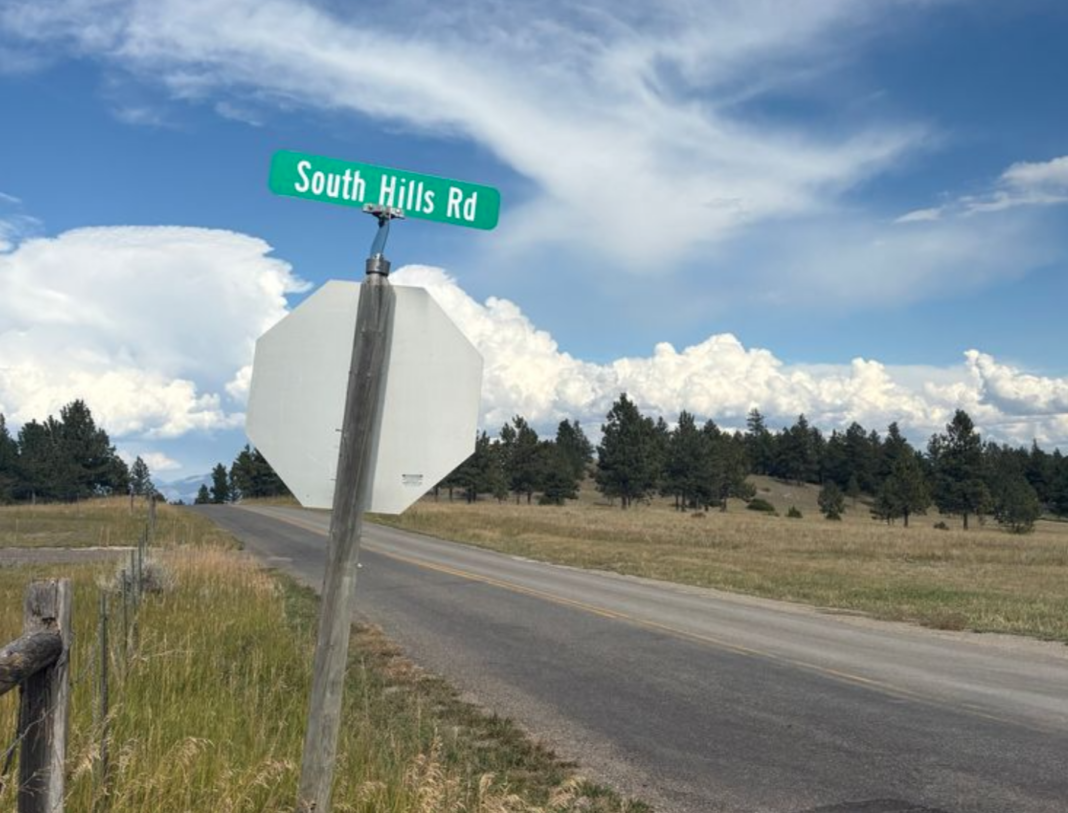
Districts operate in different ways — but in many, contributed fees pile up in the county’s budget until the districts decide to resurface roads, usually every five years or so. The South Hills Rural Maintenance District, for example, had a budget last year of $408,567, up from $369,283 the year before. It spent just $3,088 in fiscal 2024, and $2,730 in 2025.
Those overestimates appear in the county total, though the county had no control over them. Such gaps between revenue and spending in rural improvement districts totaled about $1.5 million last year, according to The Monitor’s calculations. That’s up about $1 million from five years before.
Timing
The county’s budget for weed control is typically underspent by large amounts. Last year, the county left $200,000 of a $489,500 budget unspent. Part of this is about hiring. The Weed Department budgeted last year for an assistant coordinator, but the position wasn’t filled and the job’s salary has now been moved to 2025-2026.
But Weed Coordinator Jill Allen says other factors are at play. Since the high weed season of March to October cuts across fiscal years, she may make weather-driven estimates in the spring about chemical purchases that require augmenting the next fiscal year. In addition, some county projects are funded by the U.S. Forest Service or Bureau of Land Management and include work that starts in one fiscal year but is not reimbursed until the next.
Like the county’s FM Radio station, Allen has a contingency fund: $20,000 to manage weeds, under court order, when a land owner fails to do so. That hasn’t happened in years, but the contingency remains in the budget.
“I’ve been in this position for 15 years,” Allen says, “and it’s still hard to wrap my head around the budget. There are so many moving parts, and every year is different.”
The Solid Waste Department, meanwhile, budgeted $200,000 last year for a new truck. But then fee revenues failed to meet operating costs. “Revenue was in the hole,” said Director Mike Myers. “$200,000 is the request for a new truck, but that doesn’t mean I’m going to have that kind of money.”
The county moved the funds to the 2025-26 budget, and Myers hopes that higher permit fees, which were raised this year, will serve as collateral for a loan needed to purchase the vehicle.
Jefferson County’s spending gap doesn’t appear to be unusual: Broadwater County, for instance, has spent 7% to 15% less than its budget for a number of years. In 2024-25, it spent $12.4 million of a $13.4 million budget. Madison County’s 2024-2025 spending of $47 million was a startling 38% below its $75.4 million budget.
And to be clear, Jefferson’s larger departments tend to come close to spending their allocated funds. The public safety budget, which mainly funds the Sheriff’s Office, was $4.1 million last year; it spent $3.96 million. The “General” account, which includes the Treasurer, Clerk & Recorder, Justice Court and other administrative functions, underspent its $4.2 million budget by just 7%.
But Kunz concedes that the persistent underspending overall makes it harder for observers, taxpayers and even county employees to determine how well their government is working.
“The budget becomes less useful as a tool,” she says. “I think the [expenditure] report is helpful and informative,” but it has to be viewed in tandem with other information that’s typically less visible to residents, like reports that reveal account-by account analysis of taxable value and mill levies. “You need to understand both.”