
When our son Aiden was young, we decided to leave Eugene, Oregon, where I had lived for 10 years. We agreed that whoever found a job first would be the winner; my husband won, and we landed in Sheridan, Wyoming.
It was really a leap of faith for us – and my family, which is an eclectic mix of hippies and ranchers, was concerned about our moving to that part of the country, which they thought might have more restrictive and conservative views than what we were used to. My step mom was particularly worried, perhaps because she was afraid that we were going to adopt those perceived views as our own.
One day, after we had moved, Aiden came home from school and asked: “Where are all the brown people?” That was his six-year-old mind working, seeing the lack of diversity and just sensing that something was different. He wasn’t uncomfortable with it; he was just being observant. Up until that point, he had been surrounded by all sorts of people. Our neighborhood in Eugene was Latino and Asian, so he was the minority in his classroom. He didn’t know anything else; it was what he grew up with. And it was eye opening for him when he wasn’t surrounded by all sorts of people.
My husband and I hadn’t really thought about it until Aiden said something. But then we really had to think about how we were going to give him opportunities to experience diversity and inclusion in a place where those opportunities don’t exist.
We’ve always been very open with Aiden, so we talked about it with him. We were fortunate that the school district in Sheridan was very conscious of the lack of diversity and had built it into the curriculum. And when we went on vacations, we would make it a point to go into the inner city and go to ethnic restaurants. It’s touristy, but you have to gain some sort of comfort to be able to ask questions and be open about inclusivity. And really, we found Wyoming to be much more open than we had expected. There were many people, especially the ranchers, who really had broad views of acceptance, mostly a “live and let live” mentality. Don’t bother me and I won’t bother you. We didn’t experience people active in finding ways to be derogatory.
Then again, we were in Sheridan, one of Wyoming’s more progressive city. Perceptions play a big role, as I think on this: There have been many conversations over the years when people heard I lived in Wyoming and the talk turned to Matthew Shepard and what happened in Laramie, which then turned into conversations about the state’s lynching history — and then inevitably someone countered with it being the first state to grant women the right to vote. So, geographic location plays a big role in how we perceive race, equality, and history.
Eventually we moved to Boulder, and Aiden went to Jefferson High. It was about the same as in Sheridan: He was always aware that there were only two Black kids in the school, and just one Black teacher. It wasn’t a big deal, just something he was aware of.
I’m extremely excited about the prospect of younger people like Aiden taking control, and taking a stand. There’s so much going on in our country right now: Economic inequality is huge, and the divide is only growing. I think young people are seeing that in a different way, and I’m hopeful that they’re going to keep up the momentum of change that we’re seeing now.
I do think this is a fantastic opportunity. People are talking about race — and they’re actually doing something about a problem that’s always been under the radar. So, I’m excited, but I’m also fearful because we’re so polarized. People are doubling down on their beliefs. I see that a lot at my work: Some people just have no clue where we’re at now and that white privilege exists.
That’s scary, and I hope this moment changes that. We’ve reached a fork in the road in this country where, in order to move forward, we have to figure this out. How can we meet in the middle?
I think the answer is about education. We’re so sheltered where we are here, so the challenge is greater – but we have learn how to have uncomfortable conversations, and how to speak out against racism without coming off as accusatory or demeaning. It’s about learning more about difference, and about ourselves: We’re all biased, we just have to own that and figure out how we can be better and move forward. That’s the goal.
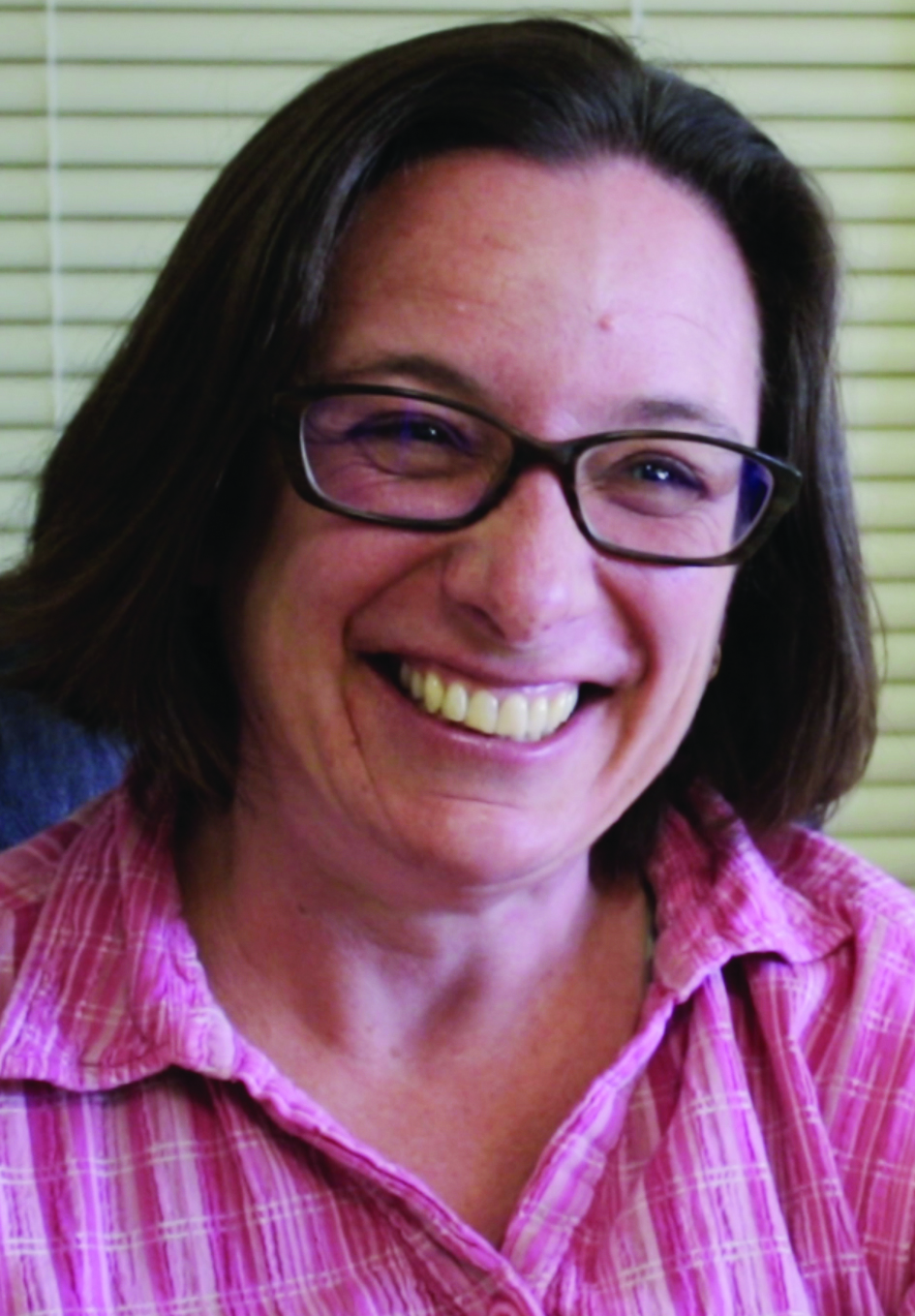
Crystal Bagwell lives in Boulder and works in Helena.