
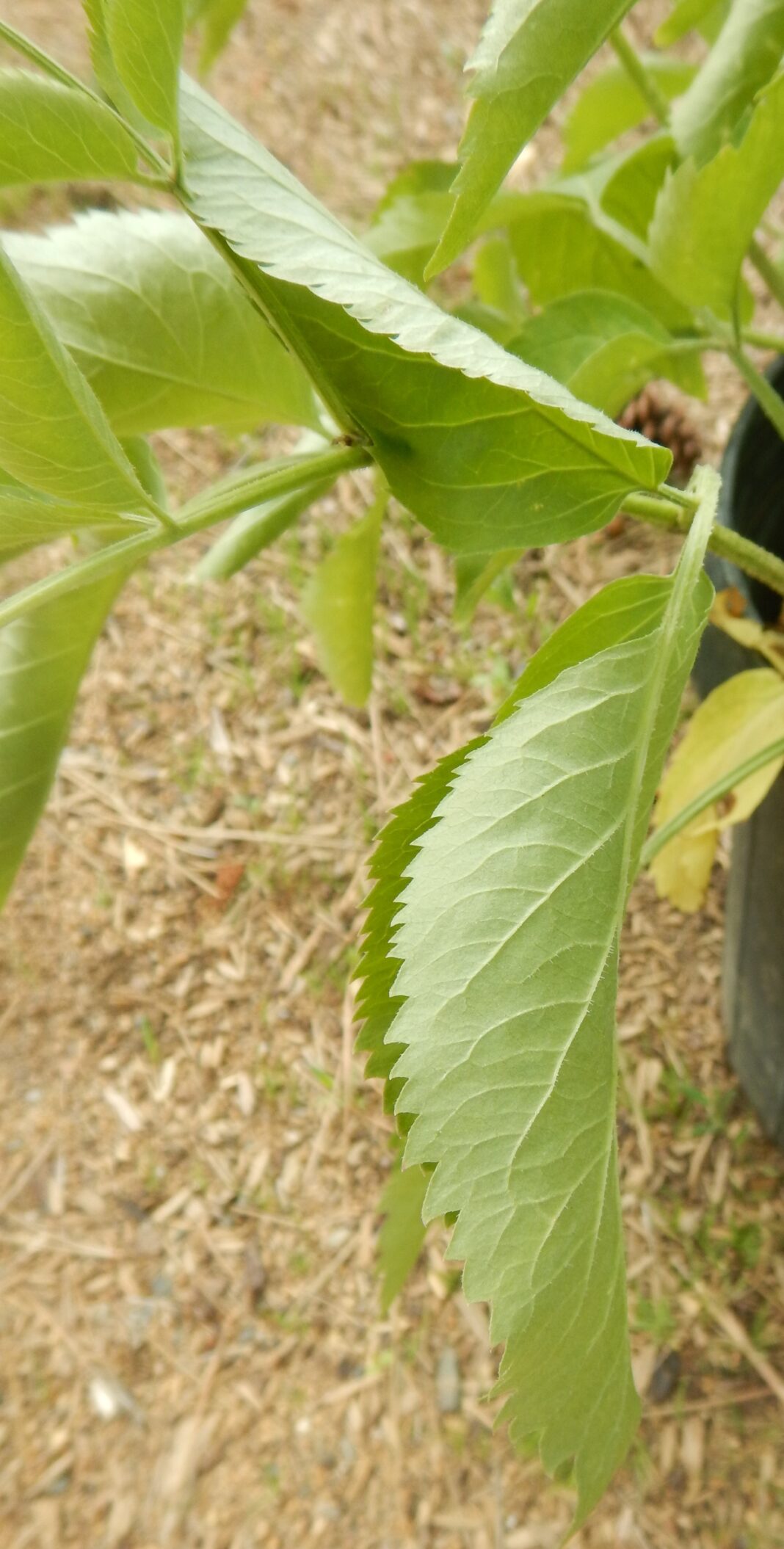
During the hot summer weather, we often get calls about plants that have curling leaves. Some curl slightly and some more tightly. Usually they curl from the sides, not from the tip back.
Don’t worry: If you don’t see aphids or other insects and the leaves are curling from the sides, this is simply the plant defending itself from loss of moisture by reducing the surface area exposed to sun and wind. In hot windy conditions, plants lose moisture more rapidly. Wind can make transpiration increase at an even more rapid rate.
A plant’s leaf area influences transpiration directly. By curling its leaves, the plant reduces the exposed surface area, which reduces the amount of moisture it loses. Larger leaves and younger leaves are usually affected the most.
This is just one of Mother Nature’s natural defenses against desiccation or dehydration. Another way trees fight the heat is to allow some of their leaves to yellow and shed them. That too reduces the rate of dehydration; it’s a normal defense and will not harm the tree.
We’ve planted many small and very large trees in 90-plus-degree Fahrenheit weather, with great success. We will sometimes pick as much as 15 percent to 30 percent of leaves from a tree when planting in hot temperatures. This allows the tree to adequately maintain the rest of its system as it gets established.
Our visitors may remember that we had to remove four very old large Cottonwood trees a couple of years ago. In their place, we planted five large-caliper trees with very large root balls weighing 500–700 pounds. To protect them in the heat of between 85 degrees and 92 degrees, we removed about 25 percent of their leaves before planting. Every tree not only survived but performed well, without one leaf turning yellow.
Of course, you should keep plants well-watered in hot and windy weather. But even then, some varieties will still curl their leaves in order to slow down their dehydration rate. As long as you’re keeping the root zone moist, don’t worry about it.
They’re not dead yet
Please do not dig up a shrub or tree thinking it is dead — even though we’re into the month of July.
We had several very hard freezing nights this spring after experiencing temperatures in the mid-80s Fahrenheit. That’s hard on plants: The freezing temperatures killed many leaves & buds, and some bare root trees were also damaged. But although some still haven’t leafed out, many are now beginning to come to life.
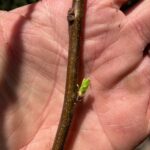
Here’s a great example shown in photos I took (at right) of bare root trees I potted two months ago. In the first photo, it looks like they are dead. But the close-up shows green buds beginning to leaf-out. The day before, they did not show any sign of breaking bud.
If Mother Nature teaches us anything it is patience! I have seen this happen as late as the first week in August, even with conifers that had turned completely brown needles.
An honor for Tizer
We were honored to be chosen by Plant Select as its top “Showcase Garden,” among 100 demonstration gardens in the western U.S. The award recognizes excellence in design, vision & educational outreach. There are more than 100 other Demo Gardens in the western U.S.
We were especially pleased to receive our award last month from Panayoti Kelaidis, senior plant curator at the Denver Botanic Gardens. Panayoti lit the fuse, so to speak, that launched us toward becoming a botanical garden about 20 years ago. He has travelled worldwide for decades seeking out very cold hardy drought tolerant plants that thrive in semi-arid high elevation regions.
Richard Krott is co-founder and co-owner of Tizer Botanic Gardens & Arboretum.