The only thing more stressful than Fair Week, says Aliza Hays, is the week beforehand. “This is the most stressful week of the summer,” the Jefferson High School freshman said last week. It’s when everything has to come together to make the Fair successful.
That means getting locating pens to the fairgrounds. Judges have to be recruited, and they have to interview kids about their projects. And of course, the ribbons have to be purchased.
Everyone chips in. Aliza’s younger sister, fourth-grader Allyson Hays, reported that, “the older kids are going to get the pens, while the younger kids are cleaning up the barn and decorating it.”
While Jefferson County’s “Fair of the Heart” has been going strong for decades, the 4-H show and auction is only in its third year. Lindsey Hays, Aliza and Ally’s mom, directs this undertaking. She does so because she feels strongly that the fair provides kids an honest and equitable experience — and some important life skills .
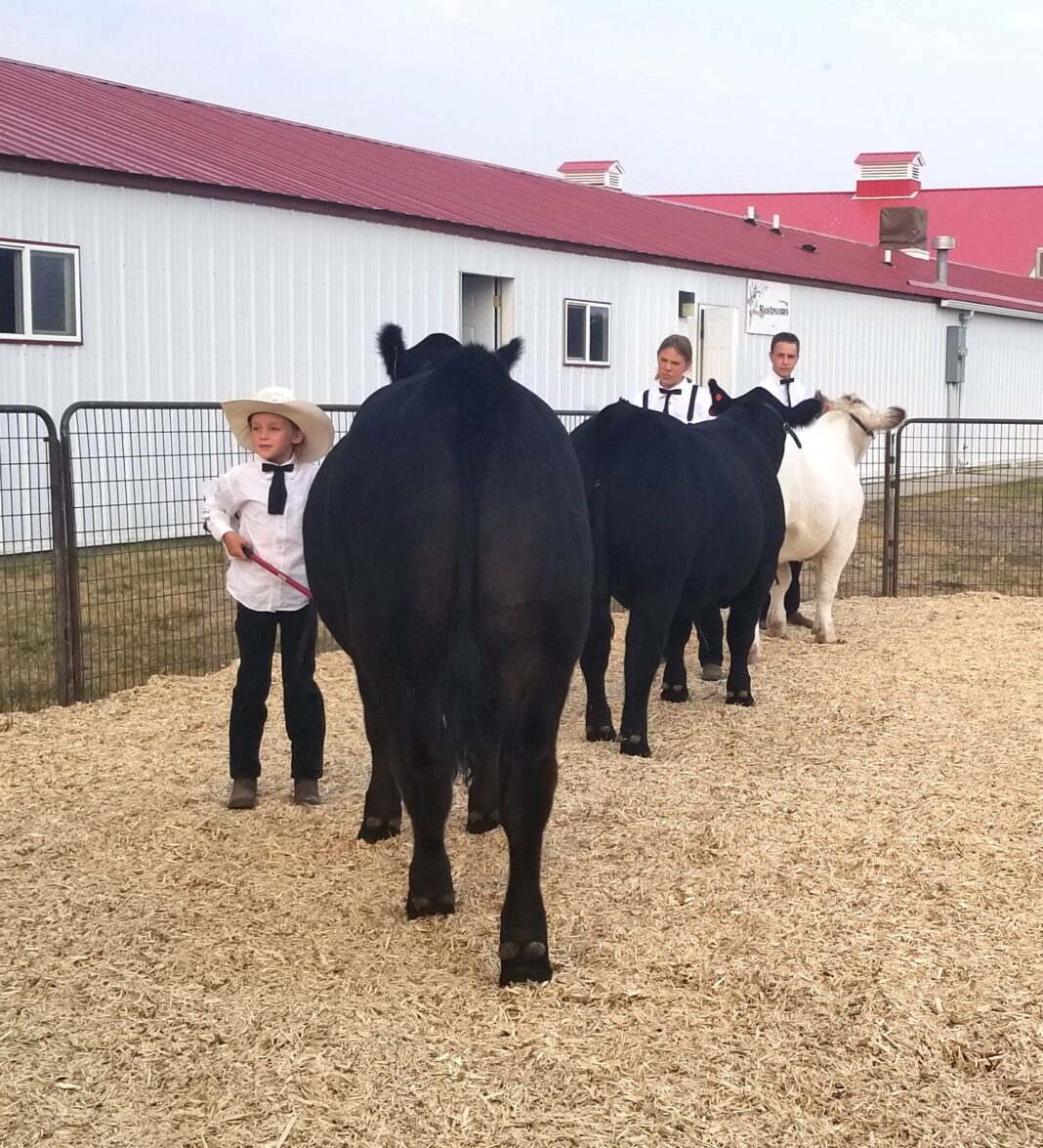
The livestock auction, the largest event for the 4-H crew, will be held at 2 pm on August 24. This is where a lot of hard work pays off. 4-H members invest between six and nine months raising and caring for animals that will be auctioned this week.
“Our kids care for their animals for months,” said local 4-H media coordinator Nikki Conroy in a statement. “They select the animal from a breeder, and negotiate a price for the animal. When they bring their animal home, the real work begins. They calculate how much the animal needs to be fed on a daily basis in order to reach target weight window during fair time. They work with their animals daily, so they will be ready for judging.” They track how much they spend food, nutritional supplements, veterinary bills, and grooming supplies.
Showtime tests kids’ presentation and interview skills. “During the market animal show, the judge focuses primarily on the quality of the animal itself,” Conroy said in the statement. “Did it make weight? Is it over weight? How is the animal muscled? Does it have good genetics? The judge will ask each child questions about the animal and they way they have been cared for.”
Then comes the auction itself. Children are responsible for marketing the event in advance, writing letters and delivering them to businesses and individuals around the community. That promotion is key to the sale of their animals, “We encourage the children to practice their handshakes and eye contact when doing this. This is an incredibly important skill to practice as a child.”
Even after the auction, the kids’ job isn’t done, “Once a bidder wins, the 4H member will take their animal back to their pen and go thank the bidder with a smile and a handshake,” Conroy wrote. “Hopefully their animal will have sold for enough money that they will make a profit. Most of our 4H members then use this money to purchase an animal and supplies the following year.”